Sep 13, 2026Factory & Supply
Inside a Brake Pad Production Line: From Friction Mix to Boxing
A walk through the steps a brake pad goes through before it is boxed, and what each step means for the buyer.
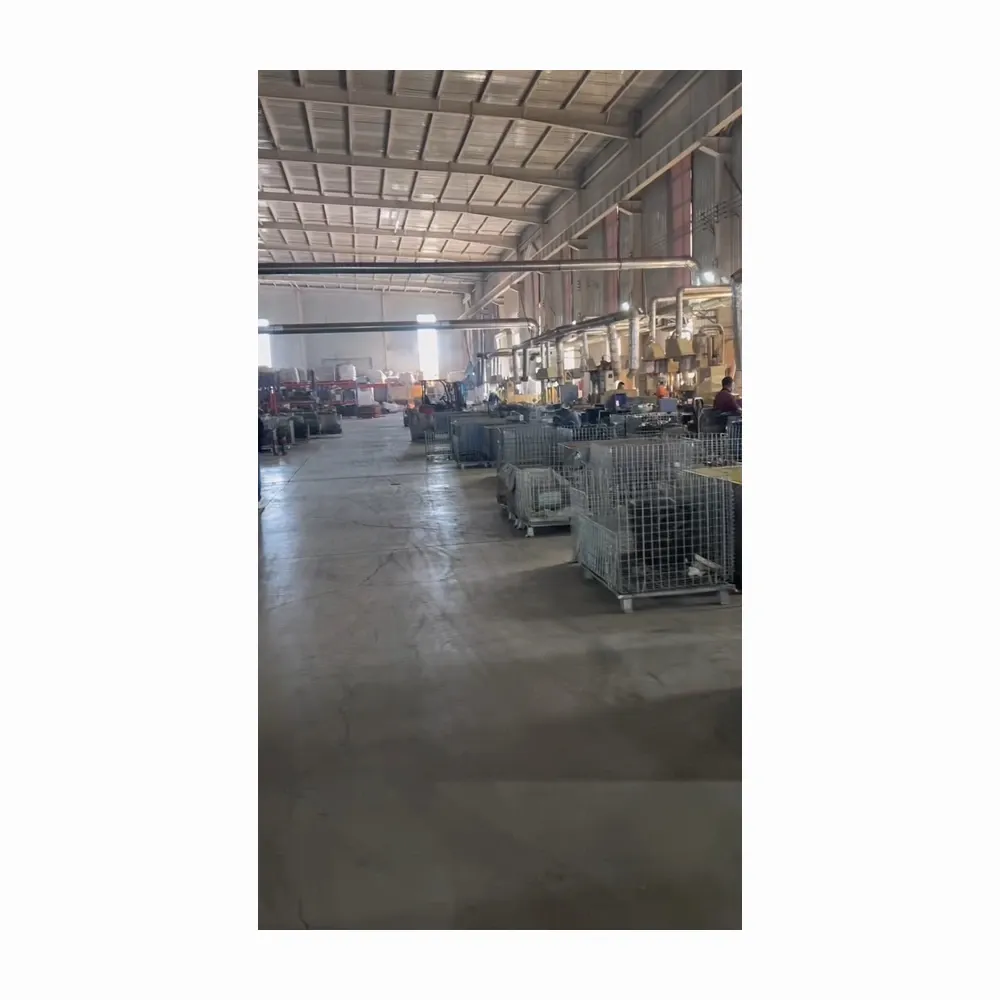
Buyers usually see a brake pad as a boxed part. Knowing the steps it went through explains why two pads can look identical and still behave differently.
Mixing the Friction Compound
The friction material starts as a mix of fibres, binders, fillers and lubricants. The proportions decide whether the finished pad leans towards low dust, high heat tolerance or low cost.
Hot Pressing and Curing
The mix is pressed onto a prepared steel backing plate under heat. Pressing bonds the material to the plate; curing afterwards develops the strength of the bond. Poor control here is a common cause of lining separation.
Grinding and Chamfering
After curing, the friction face is ground flat and the edges chamfered. The chamfer matters more than it looks: it controls how the pad meets the disc and helps keep braking quiet.
Fitting the Backing Plate Hardware
Shims and retaining clips are fitted to the backing plate. The shim damps vibration, and the clips hold the pad in the caliper bracket, so both are functional parts rather than accessories.
Inspection and Packing
Pads are checked for dimension, surface condition and correct part number before being boxed as axle sets. Anything that fails is pulled at this stage.
What This Means for the Buyer
Because these steps happen at the factory, they can be controlled and inspected directly. Feoroad manufactures brake pads in our own factory, holds a minimum order of 50-100 pcs, and produces under your own brand including custom packaging. Send us your OEM part numbers and target market and we will confirm fitment and quote.