Sep 15, 2026Brake Pads
How to Confirm Brake Pad Fitment by Part Number, Not Model Name
Model names hide fitment changes that part numbers expose. A short guide to OEM, WVA and FMSI references, and the checks to run before you order brake pads.
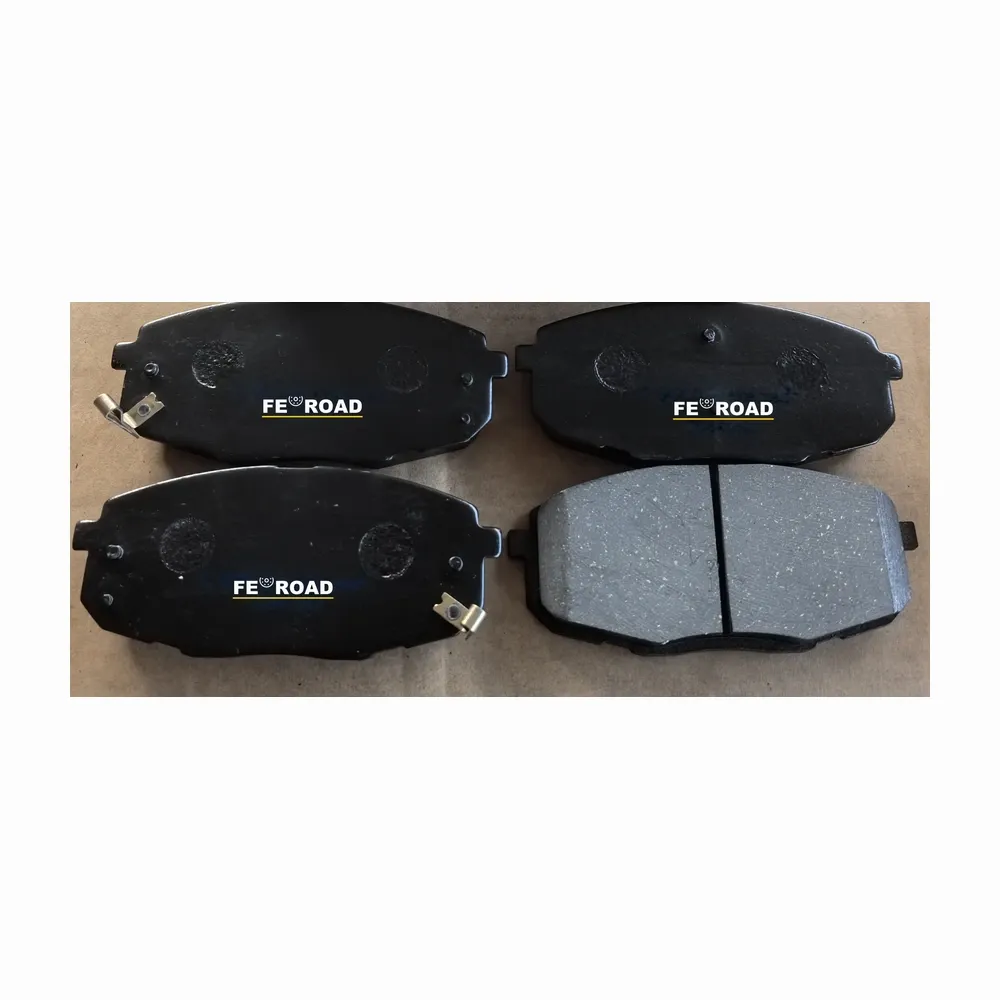
If you order brake pads against a vehicle model name, you will eventually ship a fitment that does not match. The same nameplate can carry different pad dimensions across model years, trims and market versions. The reliable path is to order against a part number, and to know which numbering system that number belongs to.
Why a Model Name Is Not a Fitment
A model name describes a vehicle family, not a brake assembly. Within one nameplate, the manufacturer may change caliper, rotor diameter or pad thickness between model years, or between markets that use different brake specifications. Two pads can share the same outline and still differ in thickness, chamfer or hardware. Matching on the name alone cannot separate those cases.
The Number Systems You Will Meet
Brake pads are catalogued by several parallel systems. You do not need to memorise them, but you do need to recognise which one a buyer or a supplier is quoting.
OEM and OE Numbers
The original equipment number is issued by the vehicle manufacturer for a specific application. It is the most precise reference, because it ties to one vehicle specification. It is also the number your buyer is most likely to hold, since it appears in dealer catalogues and parts systems.
WVA Numbers
WVA numbers are the cataloguing system most frequently used in Europe. They are allocated by the German friction industry federation, which assigns numbers to friction material by its dimensions and area of application. A WVA number describes a pad shape and its intended use, so the same number can appear across several vehicle models that share that pad.
FMSI Numbers
In North America, the standardised part numbering system for brakes and clutch facings is issued by the Friction Materials Standards Institute, and it is recognised well beyond that market. FMSI numbers are familiar to distributors who stock by pad shape rather than by vehicle.
A Practical Cross-Check
When a number reaches you, work through the same checks before you commit. First, confirm which system the number belongs to. A WVA number and an FMSI number are not interchangeable, and treating one as the other produces confident, wrong answers. Second, confirm that the number points to the pad you actually intend to supply, including thickness and hardware, because shape families often share an outline while differing in exactly those details. Third, check that the pad is approved for the market it is going to; for many markets, that means ECE R90.
What to Send a Supplier
A supplier can only confirm fitment against the information you provide. Send the OEM number as the primary reference, and add a WVA or FMSI number if you have one, labelled so it is clear which system it comes from. Include the target market, and the vehicle application if it is known. If a number is ambiguous, say so rather than guessing, because a wrong reference is more expensive than an open question.
Where Feoroad Fits
We manufacture brake pads in our own factory, in ceramic and semi-metallic material, with a minimum order of 50-100 pcs and full private label production including custom packaging. Send us your OEM part numbers, any WVA or FMSI references, and your target market, and we will confirm fitment and come back with a quotation.