Filters & Filtration
Air Filter Replacement Intervals: Why There Is No Universal Number
Air filter service life is set by dust exposure, not by a fixed distance. What drives the interval, and how importers should advise buyers by condition instead of a number.
Every market asks the same question about air filters: how often should they be replaced? The honest answer is that no single figure works everywhere, and a supplier who quotes one number for all conditions is guessing. Understanding why the interval varies is more useful than memorising a number, because it tells you what to base your own recommendation on.
Why a Fixed Interval Cannot Work Everywhere
An air filter clogs with the dust it captures, so its service life is set by how much dust it meets, not by the calendar or the odometer alone. Two identical vehicles with identical filters will not reach the same replacement point if one drives on paved highways and the other on unpaved roads in a dry season. That is why a figure that is correct for a temperate city can be far too long for a dusty region, and vice versa.
What Actually Drives the Interval
Four conditions move the replacement point more than anything else. First, ambient dust: unpaved roads, construction zones, agricultural work and dry seasons all load the filter far faster. Second, mileage pattern: a vehicle covering long highway distances passes a large volume of air but relatively little dust per kilometre, while short urban trips accumulate fewer kilometres but more stop-start dust exposure. Third, climate: dusty, dry heat is harder on a filter than a damp temperate climate. Fourth, the application itself: a light commercial vehicle working on site will not behave like a passenger car used for commuting.
How Workshops Decide in Practice
Because the conditions vary, most workshops do not rely on a fixed distance. They inspect the element at each service instead: hold it to the light, check how far the pleats are loaded, and replace it when restriction or contamination warrants it rather than when a counter reaches a number. This inspection-led approach is why the correct answer is often expressed as a range with a condition attached, not as a single figure.
What This Means for an Importer
If you supply a market, you are better placed than the supplier to set the working interval, because you know the roads and the fleets. Three practical points. First, advise by condition rather than by a fixed distance, and say what the condition is: heavy dust, mixed use, or light duty. Second, stock accordingly: a dusty market consumes filters faster, so it justifies a deeper range and more frequent replenishment than a temperate one. Third, avoid quoting a specific distance in your own catalogue unless you have tested it in that market, because a number that is too long damages your reputation when filters clog early.
What to Ask a Supplier
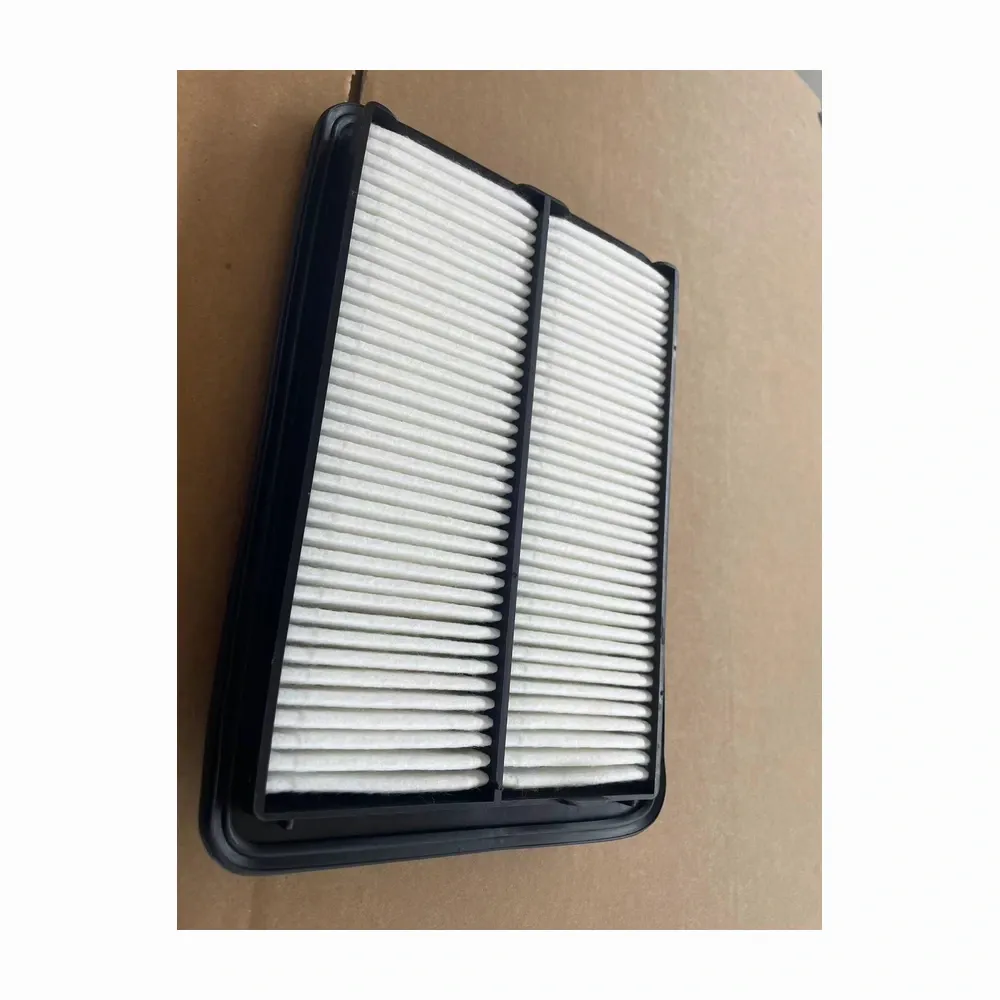
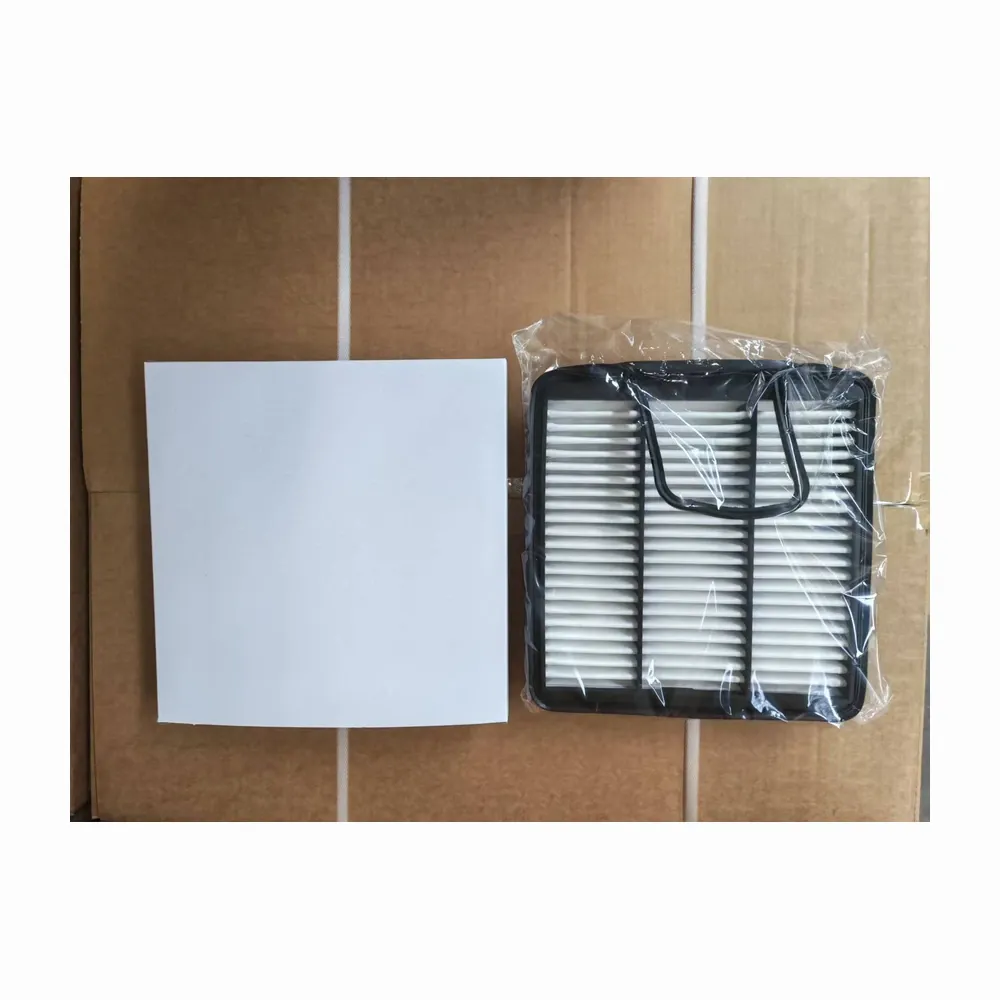
When you order, the useful questions are about the filter, not the interval. Ask for the pleat count and media grade, confirm the frame dimensions and gasket specification, and request a sample to fit and inspect. Whether a filter is correctly built for a dusty market is a question the supplier can answer; how often it will need changing in your market is a question only you can answer, with the supplier's technical input on the media.
Where Feoroad Fits
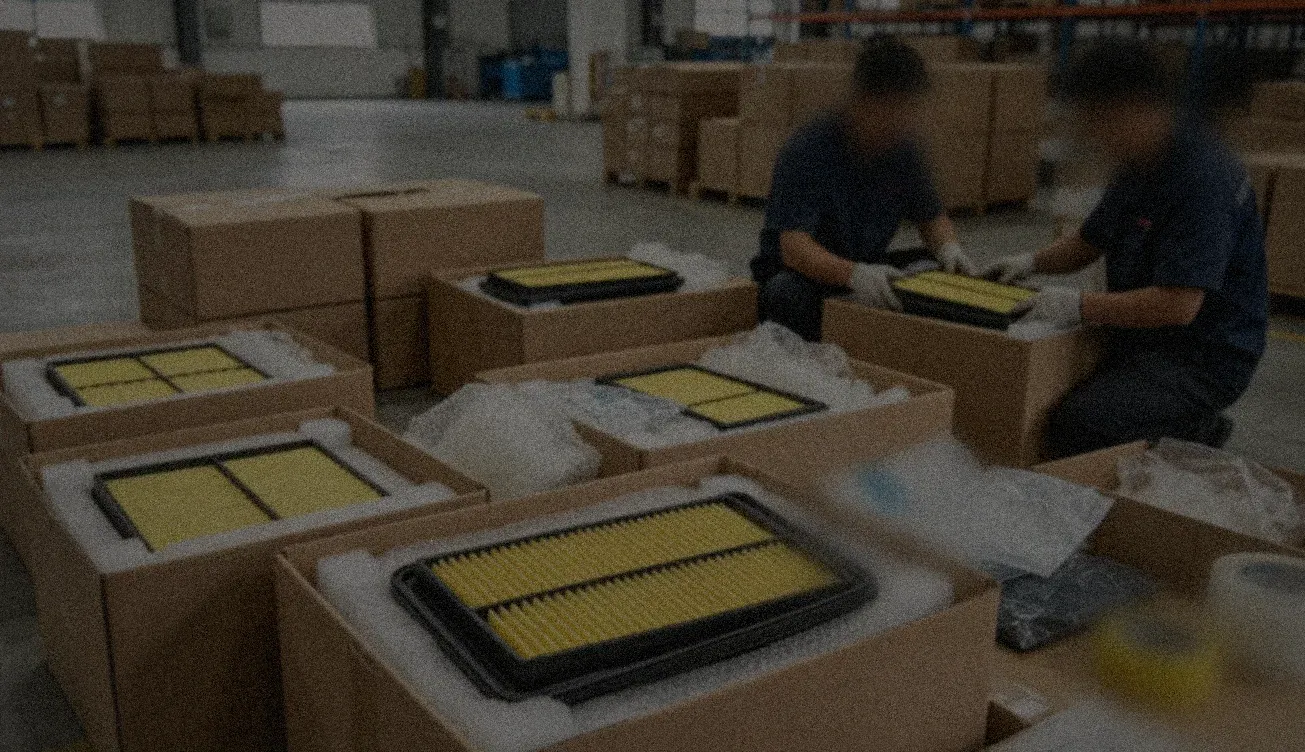
We manufacture panel air filters in our own factory, alongside our brake pad and shoe range and the other filter lines, with a minimum order of 50-100 pcs and full private label support including custom packaging. Because the elements are produced under our own control, we can tell you the pleat count, frame dimensions and gasket specification of the filter you are buying, and supply a sample to check before a bulk order. Send us your OEM part numbers, target market and the conditions the vehicles work in, and we will confirm fitment and come back with a quotation.