Filters & Filtration
Matching Replacement Filters: OEM Numbers and Application Lists
How to match replacement filters using OEM cross-references and application lists, plus dimension checks when numbers are missing, and the mistakes that cause wrong orders.

Replacement filters are sold by fitment, not by looks. Two filters can share the same outer dimensions and still be different products: different media, different valves, different gasket material. That is why professional buyers match filters with numbers first and compare prices second.
Why Filters Are Sold by Fitment
An oil filter is not just a can. Inside there is a filtration medium, an anti-drainback valve that keeps oil in the filter when the engine stops, and a bypass valve that protects the engine if the media clogs. A cabin filter that looks identical from the outside can hold a different grade of activated carbon. Appearance cannot carry this information; numbers can.
This is also why a reliable supplier will always ask for numbers before quoting. A price based on a photo alone is a price for the wrong part waiting to happen.
The OEM Number Cross-Reference
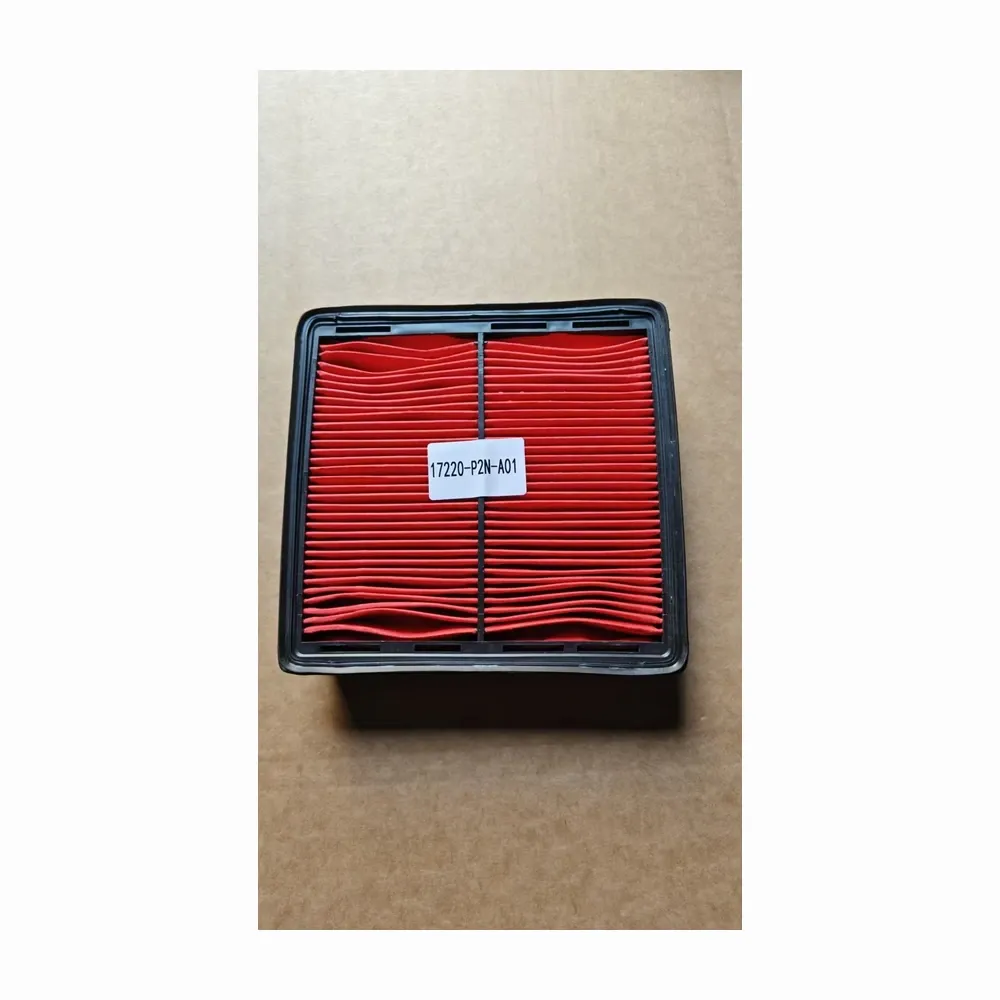
Every filter that came with a vehicle originally carries an equipment maker's number, stamped on the can or printed on the frame. Filter suppliers maintain cross-reference lists that map those numbers to their own part numbers. The workflow is simple: read the number on the filter in hand, look it up in the supplier's cross-reference file, and order the listed replacement.
Cross-referencing also widens your range. One of our filter part numbers may replace dozens of original numbers across brands, which is exactly how a small warehouse can cover a wide vehicle park without deep stock on every variant.
The Application List
The application list works in the other direction: it starts from the vehicle, not the part. You look up the make, model, and year, and the list gives the filter numbers that fit. It is the tool to use when there is no old part to read, for example when stocking a workshop for a vehicle range you have not serviced before.
One caution belongs in every buyer training session: the same vehicle model can use different filters depending on the engine fitted. A model name and year is not always enough; the engine code or the original filter number settles it.
When Numbers Are Missing: Dimension Checks
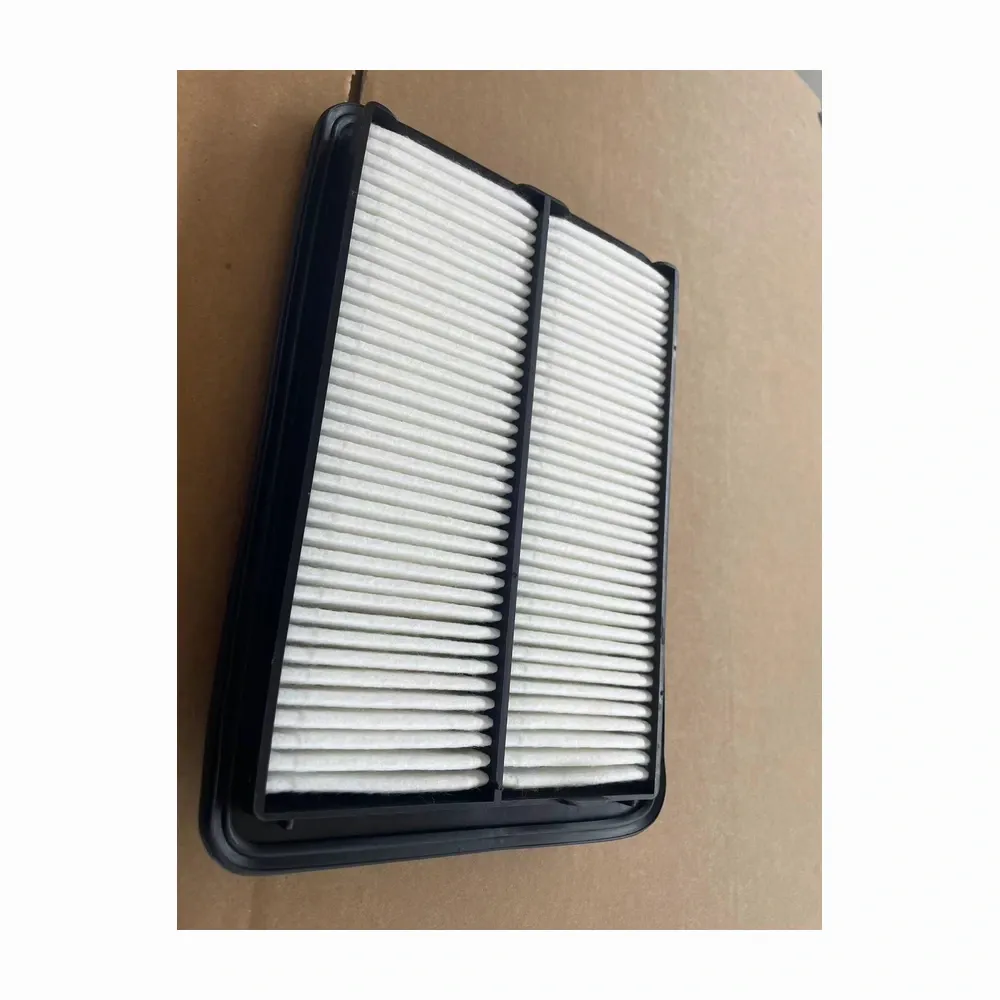
Used filters sometimes arrive with the number plate rubbed off or painted over. The fallback is measurement. For spin-on oil filters, that means diameter, height, thread size, and gasket position. For panel air filters, outer frame dimensions and thickness, plus the gasket profile. Dimension matching finds candidates, but the final check should still be a cross-reference before the order is confirmed.
Treat dimensions as a filter for candidates, never as proof of equivalence. Two same-sized oil filters with different valve settings are not interchangeable, and no measurement will tell you that.
Common Matching Mistakes
The mistakes repeat across markets: ordering from a product photo, assuming one model uses one filter across all years, skipping the engine variant, and mistaking similar numbers that differ by one digit. Each of these is invisible at ordering time and obvious at installation time, which is the worst possible moment to learn about it.
A practical habit that prevents most of them: every purchase order carries the original equipment numbers, not only the supplier part numbers. When both sides write the same numbers, mismatches become rare.
What to Ask a Supplier Before Ordering
Ask for the cross-reference file and the application list before the first order; a manufacturer who builds filters against original equipment numbers will have both ready. Send your current numbers with the enquiry and ask for fitment confirmation in writing. We confirm fitment against original equipment numbers before quoting, and if a number is ever missing from our list, we would rather tell you than guess.