Brake Pads
Chamfer, Slot and Shim: How Brake Pad Features Reduce Noise
Chamfers, slots, shims and clips are noise engineering, not cosmetics. What each feature does, and the four questions worth asking when you compare brake pad suppliers.
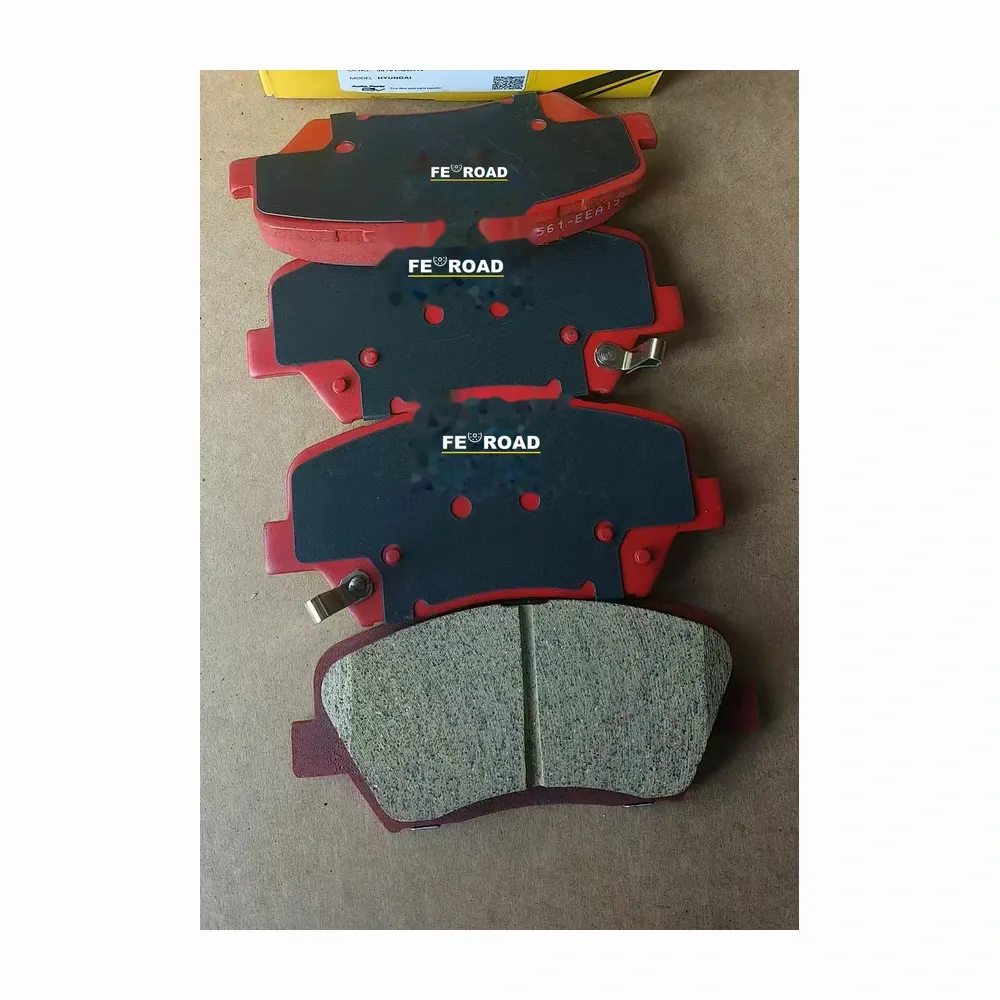
Chamfered edges, slots in the friction surface, a shim behind the backing plate: none of these change what the pad looks like in a listing photo, and all of them change how it sounds in the vehicle. These features are engineering, not decoration. Here is what each one actually does, and why they matter when you compare suppliers.
The Chamfer: Controlling How the Pad Meets the Disc
A chamfer is the angled cut on the leading and trailing edges of the friction surface. Without it, the sharp edge of the pad meets the rotating disc all at once, which encourages squeal, especially light braking at low speed. The angle lets the pad enter contact progressively along its length. It is a small cut, but it is one of the main reasons two pads made from the same compound can be quiet in the vehicle or not.
The Slots: A Path for Gas and Dust
Slots are grooves pressed or cut into the friction surface. They give gases and wear debris that build up at the interface somewhere to go, and they break up the surface pattern that vibration travels through. They also help keep the contact area consistent as the pad wears. On our own pads the friction surface is slotted for exactly this reason, and it is one of the visible differences between a finished pad and a plain blank.
The Shim: Stopping Vibration Before It Spreads
Noise you hear is vibration that has travelled. The shim, bonded or riveted to the back of the backing plate, is a damping layer between the pad and the caliper piston. It absorbs the vibration the friction interface generates instead of letting the caliper and wheel act as a speaker. Pads supplied without shims are not necessarily worse at stopping the vehicle, but they have one fewer layer of noise control.
The Clips: Holding Everything Still
Retaining clips and hardware keep the pad seated in the bracket without play. A pad that can move in the bracket rattles over bumps and chatters under light braking. Clips are small, cheap and frequently left out of a set; whether they are included is one of the first things worth checking on a quotation.
How Material Works With These Features
Material choice and geometry work together. Ceramic compounds are known for low dust and quiet running, and semi-metallic compounds handle heat and heavy load; in both cases the chamfer, slots, shim and hardware determine how much of that character survives into the vehicle. A well-finished pad in either material will out-perform a carelessly finished one in exactly the complaints buyers hear about: noise, dust on the wheel and feel.
What to Ask When You Compare Suppliers
Because these features are hard to see in a catalogue photo, ask for them by name: is the friction surface slotted, are the edges chamfered, is a shim fitted, and are retaining clips included in the set? A supplier that manufactures in its own factory controls these steps directly; a trading company passes the question on. The answers tell you as much about the supply chain as about the pad.
Where Feoroad Fits
We manufacture brake pads in our own factory in ceramic and semi-metallic material, with chamfered edges, slotted friction surfaces, anti-noise shims and retaining clips fitted before packing, at a minimum order of 50-100 pcs with full private label support. Send us your OEM part numbers and target market, and we will confirm fitment and come back with a quotation.