Brake Pads
Storing Brake Pads in Your Warehouse: Five Habits That Protect Stock
Five warehouse habits that protect brake pad stock: keep pads boxed until fitting, stack flat and low, manage moisture, rotate by batch, and keep a sealed reference set per shipment.

Brake pads survive a sea crossing without complaint, but warehouse months can quietly undo what the factory got right. Storage rarely makes the news when it goes well, and always makes the claims list when it goes wrong. Five habits keep a pad stock the way it left the production line.
Keep Pads Boxed Until the Bench
The carton and the inner wrap are not packaging theatre; they are the pad's defence against dust, oil mist, and moisture in the air around them. Pads left loose on shelves collect the film of grime that workshops then press onto rotors, and their shims and clips migrate to other boxes. The rule is simple: a set leaves its box only when it is about to be fitted.
This habit also protects the labels. A carton face that stays clean and legible is what lets a member of staff find the right reference in seconds instead of opening three boxes to check.
Stack Flat, Stack Low
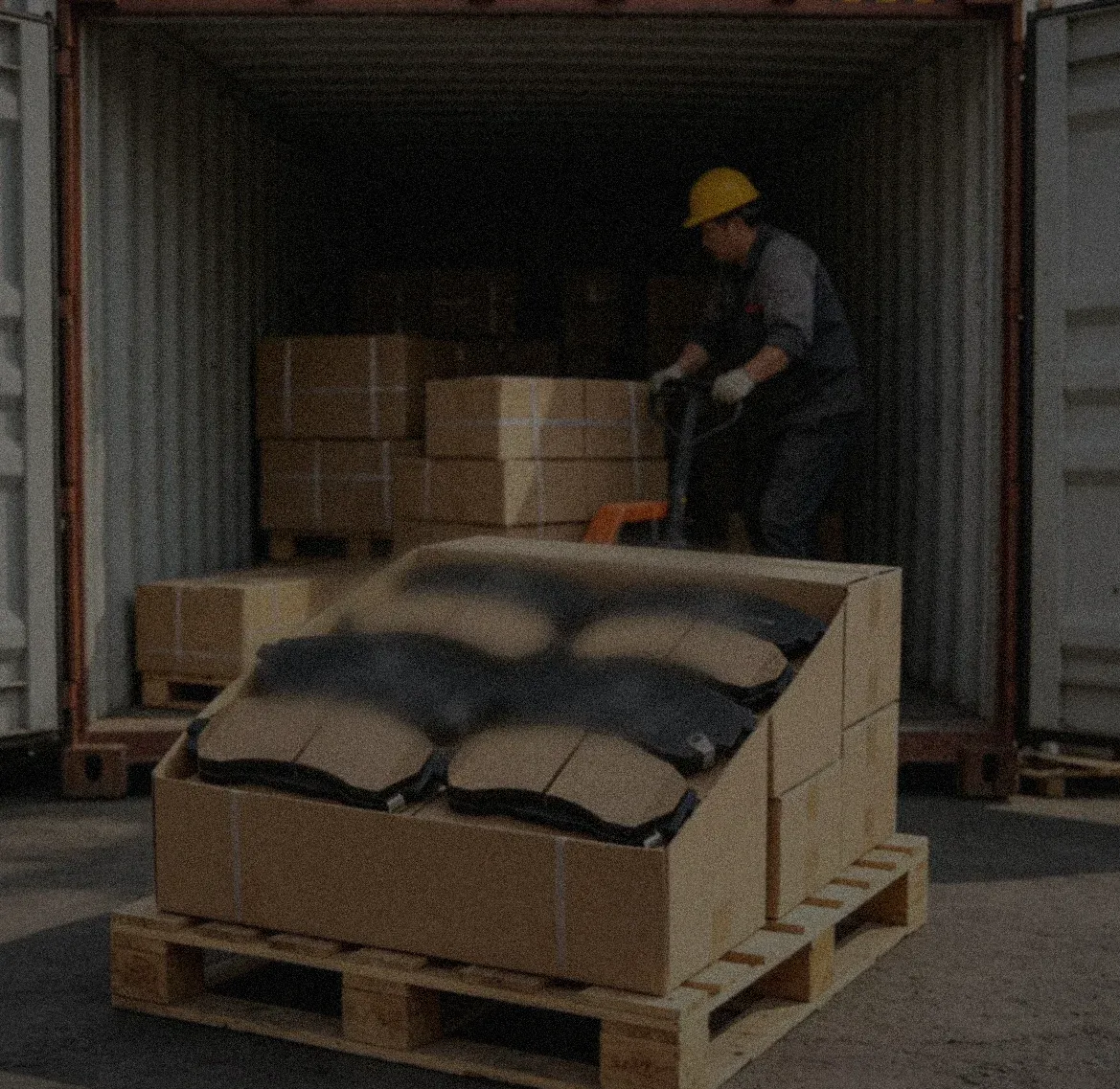
Brake pads are heavy metal parts in cardboard boxes, and cardboard has limits. Stacks that climb too high crush the cartons at the bottom, and crushed cartons mean bent shims, chafed wraps, and boxes that no longer close for the customer who buys them. Flat, even stacks on shelving, with the heaviest references on the lower levels, keep every box presentable and every pad undisturbed.
Standing boxes on end saves space and costs stock: the pads settle on one edge, the packaging deforms, and the presentation your customer sees at delivery suffers for a convenience nobody notices.
Moisture Is the Quiet Enemy
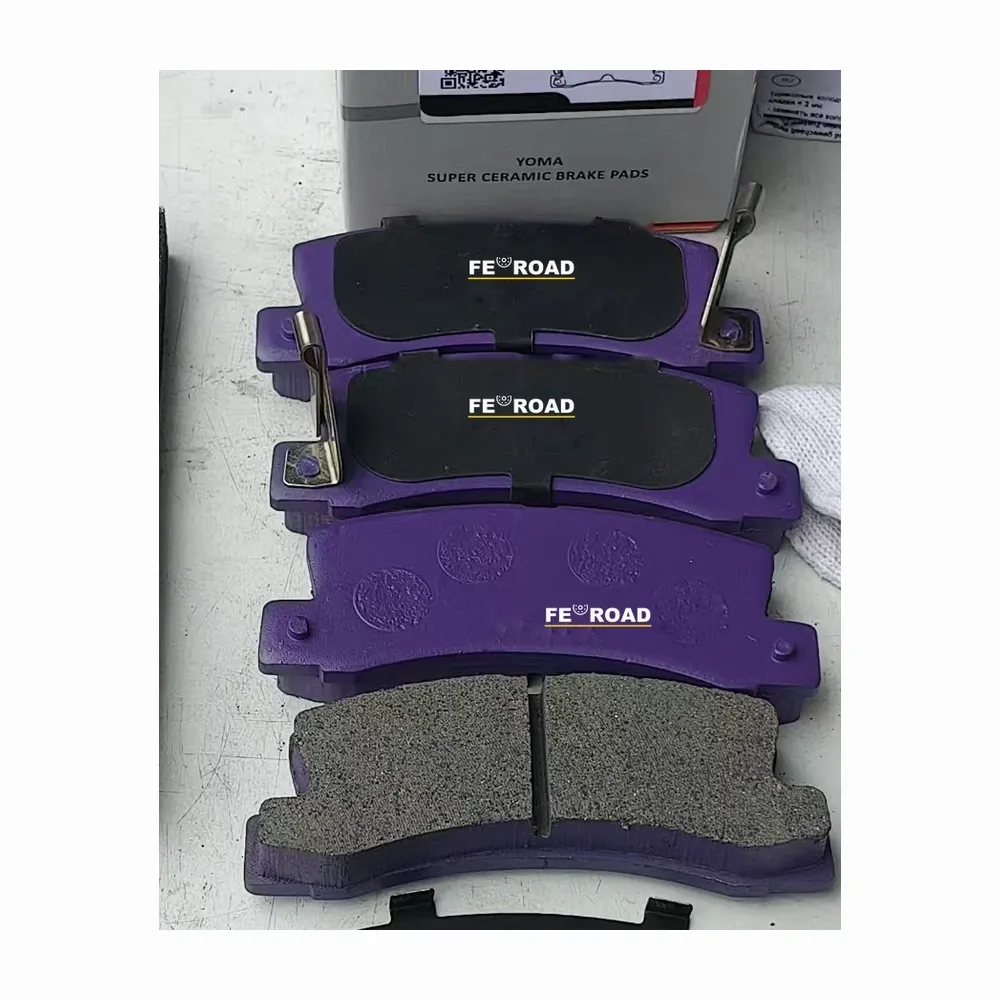
The friction material itself shrugs off ordinary humidity, but the steel backing plate is bare metal, and in a damp warehouse its edges and mounting points can develop surface rust. Surface rust on a backing plate is cosmetic rather than functional, yet it is the first thing a workshop customer notices and the fastest way to start a quality conversation you did not want to have.
Ventilation, pallets that lift cartons off concrete floors, and cartons kept sealed until use all do more than any rework. Damp air also ages the anti-noise elements and adhesives in the box, which is reason enough to treat moisture control as stock protection rather than housekeeping.
Rotate by Batch, Not by Convenience
First in, first out sounds obvious until a busy counter pulls from whatever box is nearest. Mixing part numbers in one picking bin, or topping an older box with a newer delivery, breaks the order that batch markings give you. The edge codes and batch references on every pad exist precisely so stock can rotate in the order it arrived, and so any question can be traced to a single production batch.
A shelf label per reference and one disciplined picking direction achieve what no memory will.
Keep a Sealed Reference Set
From every approved shipment, set aside one sealed set per part number and store it apart from sellable stock. When a customer question arrives months later, about appearance, markings, or fit, that reference set answers from evidence instead of recollection. Store it with the same care as sale stock, because its whole value is being untouched.
Buyers who adopt this habit find that supplier conversations change tone: questions become specific, answers become fast, and claims stop being arguments.
Write the Five Rules Down
Boxed until fitting; flat and low on the shelves; dry air and lifted pallets; first in, first out by batch; a sealed reference set per shipment. One page, understood by every member of staff, protects a stock investment better than any insurance clause. Storage is not the glamorous part of the brake business, but it is where good products keep their quality until the customer finally opens the box.