Brake Pads
Planning a Brake Pad Range for Your Market: Coverage, Depth and MOQ
How to build a brake pad range that covers your market without tying up cash: starting from the local vehicle park, depth per part number, and ordering around MOQ 50-100 sets.

A brake pad range is a cash decision as much as a product decision. Every part number you stock is money sitting on a shelf, and every number you leave out is a sale handed to a competitor. Planning the range deliberately, rather than adding references as they come up, is what separates a profitable brake business from a crowded storeroom.
Start from the Vehicle Park, Not from a Catalogue
The honest way to plan coverage is to look at what actually drives on your roads. Taxi and ride-hailing fleets wear through pads at a different rate than private cars; the popular family models in your market will out-order niche imports many times over. A weekend spent noting the models you see most often in local streets and workshops is worth more than any generic best-seller list.
From that picture, pick a first wave of part numbers that covers the most common platforms. A range does not need to be wide to be useful; it needs to be right for the vehicles your customers actually bring in.
Depth on Fast Movers, Breadth on the Rest
Once the first wave is chosen, split it. The handful of numbers that move every week deserve stock depth, because a stock-out on a fast mover costs the sale and sometimes the customer. Slower references can sit at minimum depth and be reordered on demand, since a pad order confirmed today is a container arriving weeks later, not months.
This is where minimum order quantities shape the plan. At 50 to 100 sets per part number, a modest budget covers far more references than most new importers expect, as long as depth is reserved for the numbers that prove themselves in the first months.
Complete the Range with Shoes and Fittings
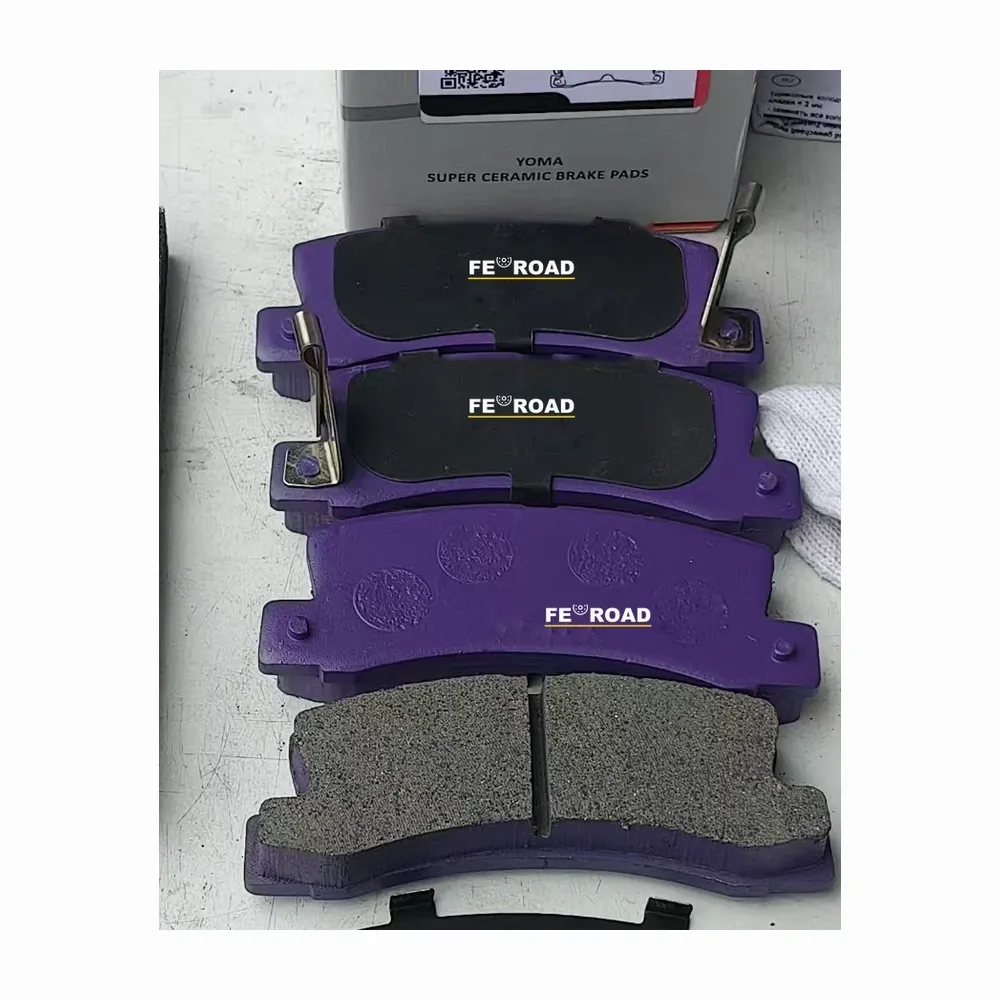
Disc pads are the headline, but many markets still run millions of drum-brake cars, and a distributor who stocks drum shoes alongside pads captures work the pad-only competitor turns away. The same logic applies to fitting hardware: clips, shims and wear sensors turn a parts delivery into an installation-ready kit, and workshops remember who made their job one-box simple.
Offering shoes, hardware and pads from one source also simplifies quality questions, because one manufacturer answers for the whole corner of the car.
Marks and Papers That Help Stock Move
In markets that follow European type-approval practice, R 90 marking on the backing plate is not decoration; it is what lets a distributor sell into regulated channels with confidence. Edge codes pressed into the same plate let you trace friction material through your own distribution, which matters when a customer asks what exactly is in the box.
Consistent boxing and clear labels also help smaller sub-distributors resell without repacking, which quietly widens your reach at no extra cost.
Reorder Signals Worth Tracking
Range planning does not end at the first order. Track offtake by part number monthly: numbers that beat expectations earn depth, numbers that sit get no reorders until they do. Before peak driving seasons in your market, top up the fast movers rather than spreading the budget across the whole range.
One more habit pays for itself: keep a sealed reference set from each approved production batch, so any question from a customer can be answered from your own shelf rather than from memory.
A Simple First-Range Plan
Coverage first: a short list of numbers matched to the local vehicle park, plus shoes and hardware for completeness. Depth second: stock concentrated on proven movers at 50 to 100 sets per number to start. Reviews third: monthly offtake decides what gains depth and what waits. That loop, repeated, builds a range that fits the market instead of just filling a warehouse.