Filters & Filtration
Air, Oil and Cabin Filters: Comparing the Three Lines for Importers
Three filter lines, three different demand rhythms. How air, oil and cabin filters differ for an importer planning depth, logistics and market fit.
Air, oil and cabin filters are usually bought from the same supplier and stocked on the same shelf, but they are three different businesses. Each protects a different system, each follows its own replacement rhythm, and each multiplies your SKU count in its own way. For an importer deciding how deep to go into filters, comparing the three lines on those terms is more useful than comparing prices per piece.
What Each Line Protects
Air Filters
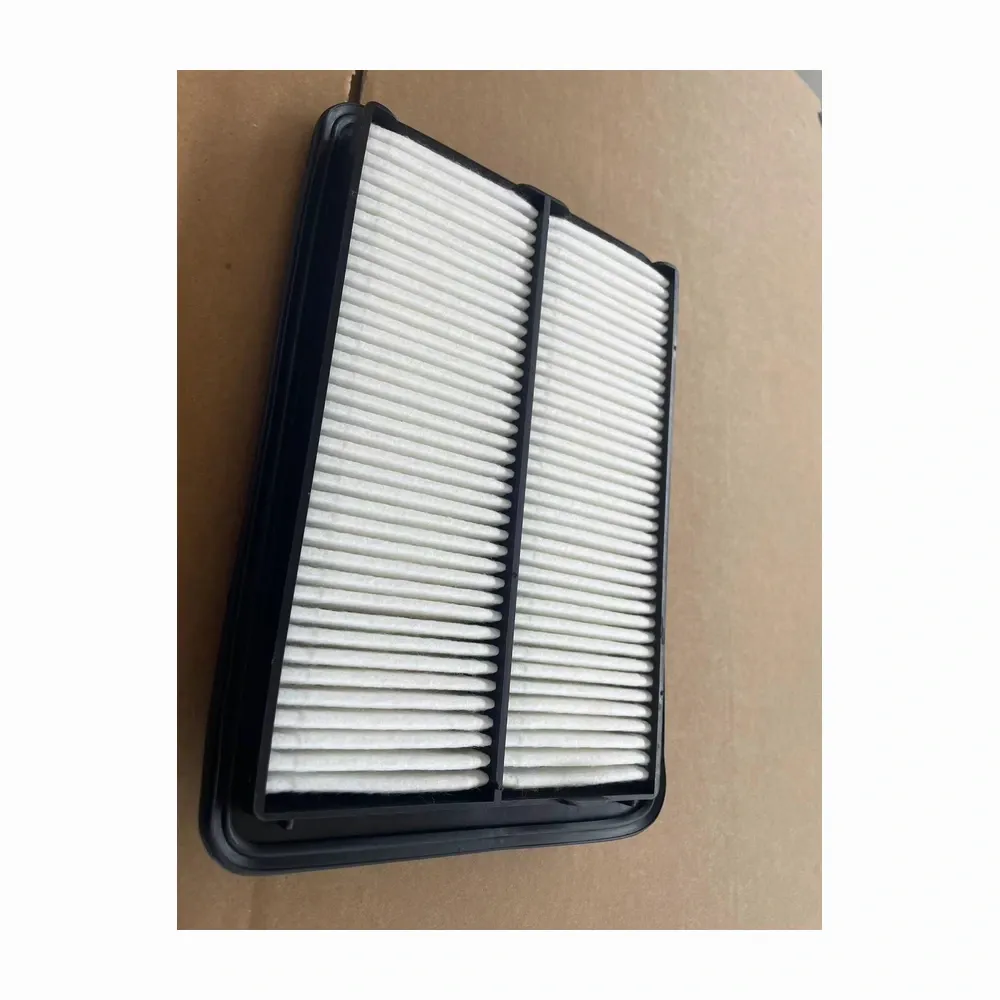
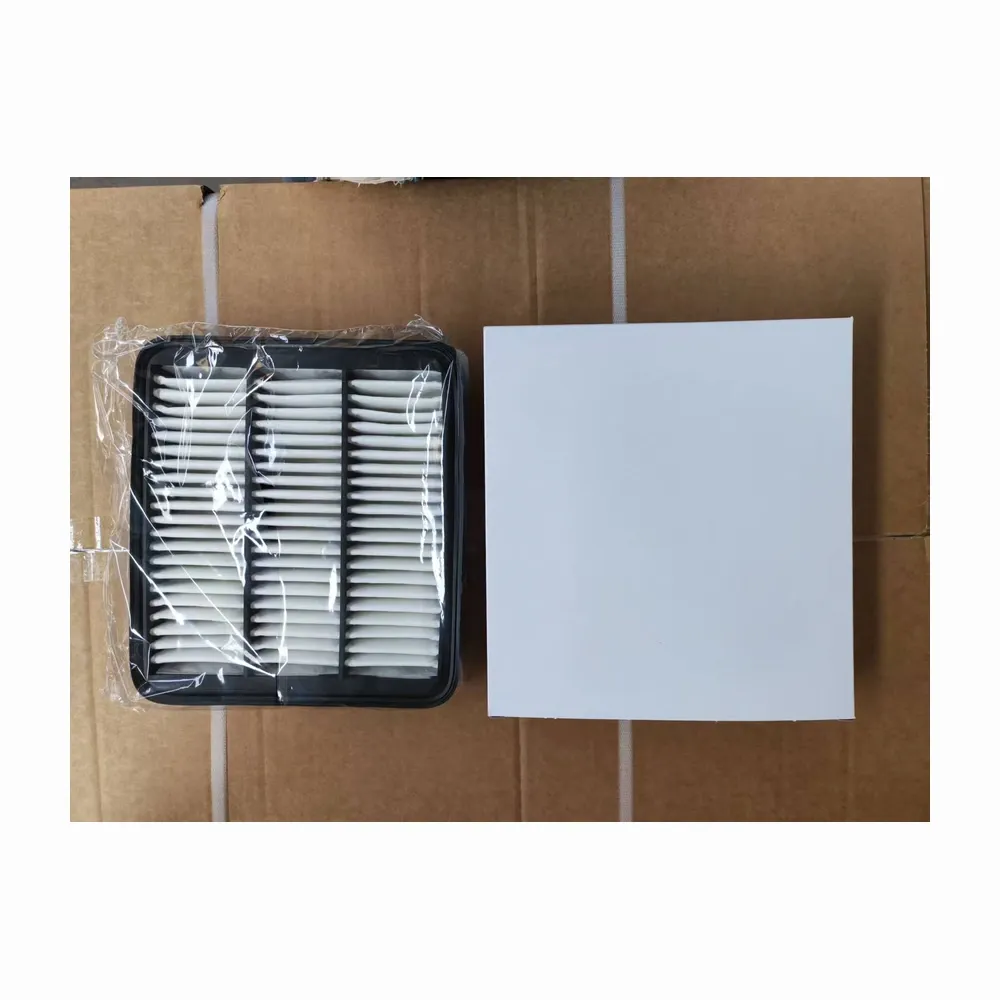
The air filter sits between the outside world and the engine's intake. Dust and grit that pass a worn or ill-fitting element reach cylinders and turbochargers, where the damage is expensive long before it is visible. Panel-type air filters for passenger cars are flat, light and easy to ship, and their condition is checked at services rather than on a fixed schedule.
Oil Filters
The oil filter cleans the lubrication circuit, and it is replaced as part of an oil change. This ties its demand rhythm directly to workshop service intervals, which makes it the most recurring of the three lines: the same vehicle consumes oil filters steadily for as long as it stays on the road. Most are metal canisters or cartridge elements, and the sealing gasket is as important as the media inside.
Cabin Filters
The cabin filter protects the people, not the engine. It cleans the air entering the passenger compartment through the HVAC system, and its demand follows climate and season: dusty conditions and heavy air-conditioning use push replacement up. It is the newest of the three categories in most markets, which often means less shelf competition and more room to educate the buyer.
How the Demand Rhythms Differ
The practical difference for a stockist is rhythm. Oil filter demand is steady and tied to scheduled servicing. Cabin filter demand moves with season and climate. Air filter demand is condition-based and rises in dusty regions. The same vehicle needs all three at different moments, which is why workshops value a supplier who can quote the whole set from one catalogue: one fitment confirmation covers three sales.
What This Means for Your Stock Plan
Three planning notes. First, SKU depth: every vehicle application multiplies by three, so decide per market segment how deep the range goes rather than trying to cover everything at once. Second, logistics: panel air filters stack flat, while metal oil filters are bulkier per unit, so the lines differ in how they pack. Third, market signals: in a hot, dusty market, cabin and air filters earn shelf space faster than in a temperate one. Ask what the local service shops actually replace, and size the lines from that.
Where Feoroad Fits
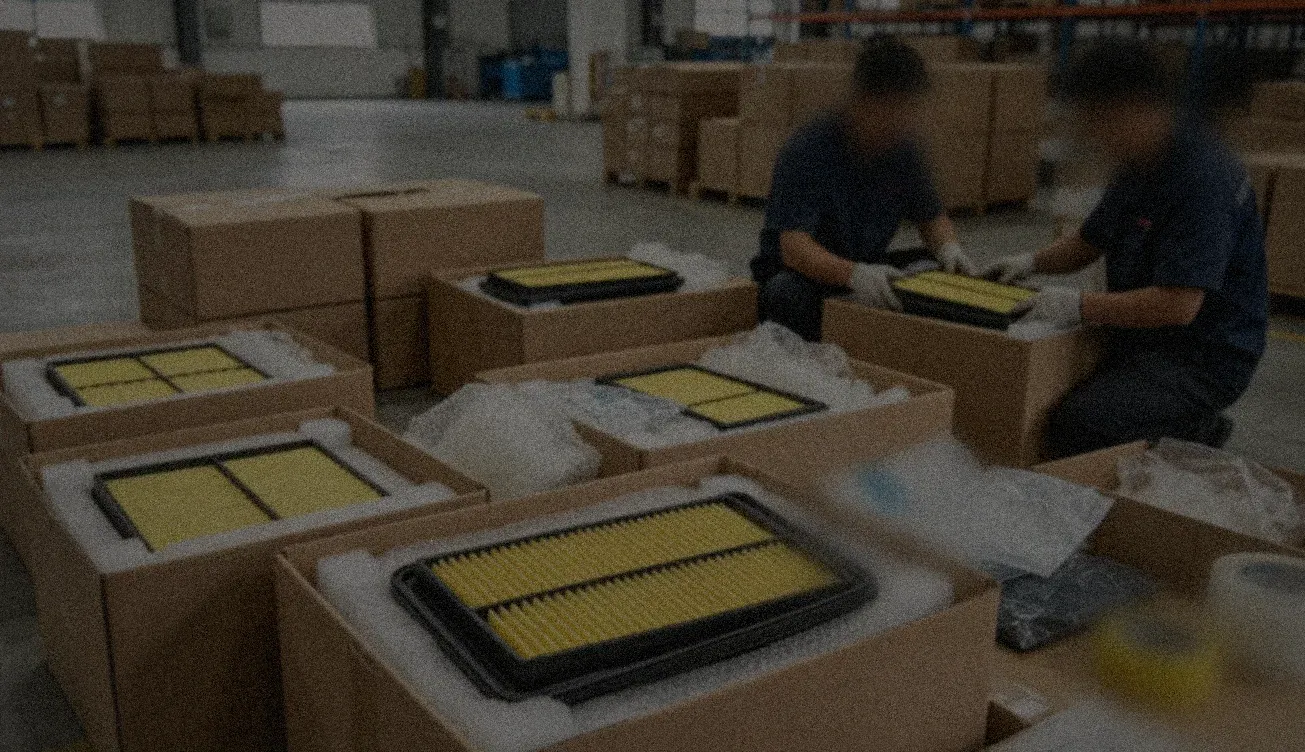
We manufacture filters covering all three lines in our own factory: air filters, oil filters and cabin filters, alongside our brake pad and shoe range, with a minimum order of 50-100 pcs and full private label support. Sourcing the three from one supplier keeps the fitment confirmation and packaging standard in one place. Send us your OEM part numbers and the vehicle mix of your market, and we will confirm fitment and come back with a quotation.