Brake Pads
Drum Brake Shoes vs Disc Brake Pads: Planning Your Market Mix
Pads and shoes serve different vehicles and most markets need both. How fleet composition decides your stock ratio, and what to confirm before adding either line.
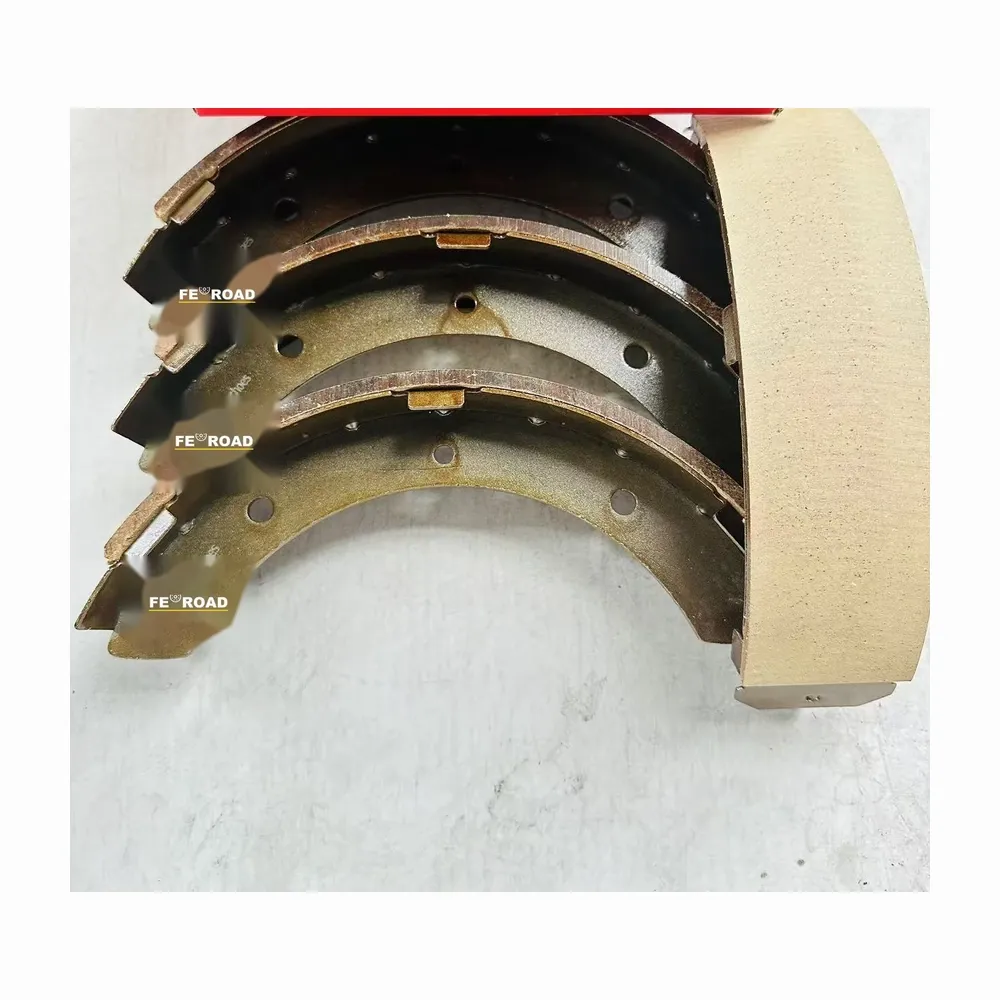
Disc pads and drum shoes are not competing products; they serve different vehicles and different axles, and most markets need both. The question for an importer is not which one to stock but in what proportion. That proportion comes from the vehicle fleet you are supplying, and it is worth working out before the first order rather than after.
The Mechanical Difference
A disc brake pad squeezes both faces of a spinning rotor inside a caliper. A drum brake shoe presses outward against the inner face of a drum, held and returned by springs. The parts wear differently, the hardware around them is completely different, and the removal process a workshop follows is different. For a stockist this means the two lines do not substitute for each other: a buyer who needs a shoe set cannot be sold a pad set.
Where Each Fits in the Vehicle Fleet
In many markets, economy sedans, small hatchbacks and light commercial vehicles still run disc brakes at the front and drum brakes at the rear. Utility vehicles and older fleets in developing markets can be drum-equipped on both axles. Higher segments run discs all round. So the drum shoe line follows the age and segment of the fleet: markets with many older or entry-level vehicles consume shoes steadily, even where disc pads dominate the visible market.
How This Shapes Your Stock Plan
Three planning differences are worth noting. First, cadence: rear shoes generally last longer than front pads, so the same vehicle consumes pads more often than shoes, but a workshop doing a rear shoe job usually buys the springs and hardware at the same time. Second, packaging: shoes are bulkier per stopping-equivalent and often sell in axle sets with fittings, which affects shelf space and freight. Third, price perception: shoes are often the lower-ticket entry into a workshop relationship, and being able to supply both keeps the order in one place.
What to Confirm Before Adding Either Line
The fitment logic is the same for both: confirm against the OEM part number, not the vehicle name. Beyond fitment, look at your market data. Which share of the registered fleet is drum-equipped at the rear, and what age profile does it have? A distributor who can answer that can size the shoe line against the pad line instead of guessing, and can decide whether shoes are a main line or a fill-in range.
Where Feoroad Fits
We manufacture both disc brake pads and drum brake shoes in our own factory, in ceramic and semi-metallic material for the pads, with a minimum order of 50-100 pcs and full private label support across both lines. Sourcing pads and shoes from one supplier keeps the fitment confirmation, quality standard and packaging in one place. Send us your OEM part numbers and the vehicle mix of your market, and we will confirm fitment and come back with a quotation.