Filters & Filtration
Filter Storage and Fitting: Mistakes That Waste a Bulk Order
Most filter complaints start after the goods change hands. How damp storage, crushing and fitting errors quietly defeat a filter that left the factory in good condition.
A filter that leaves the factory in good condition can still fail the customer. The two stages where that happens most often are storage and fitting, and both are outside the supplier's control once the container has shipped. For an importer, understanding these failure points is what turns a delivery into a repeat order rather than a complaint.
Storage: What Damages a Filter Sitting on the Shelf
Moisture and Damp Air
Filter media is designed to pass air, and that same structure holds moisture readily. Cartons stored in a damp warehouse, or in a container that has sat in humid air, can leave the media soft or the metal components of an oil filter stained. Even where a filter still fits, damp storage is a quality risk worth preventing rather than inspecting for later. Keep stock off bare concrete and in dry, ventilated space, and leave cartons closed until dispatch.
Crushing and Stacking
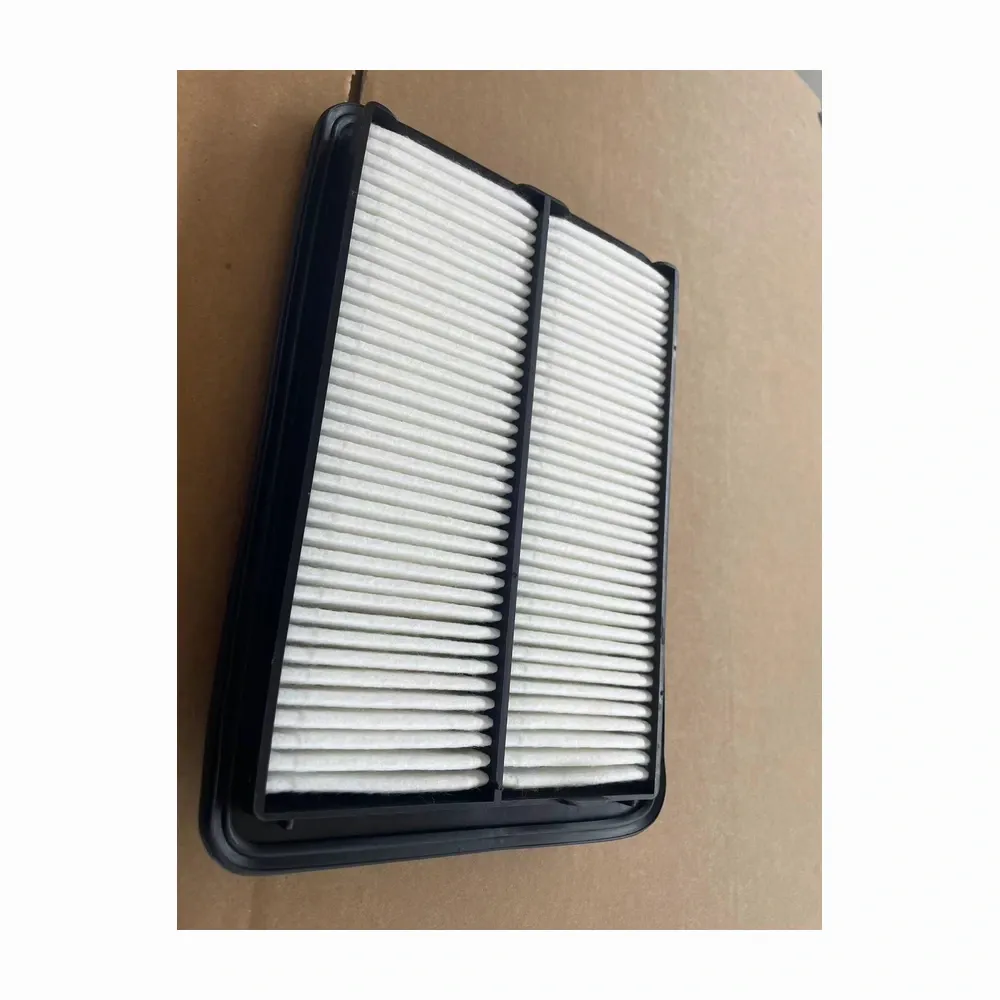
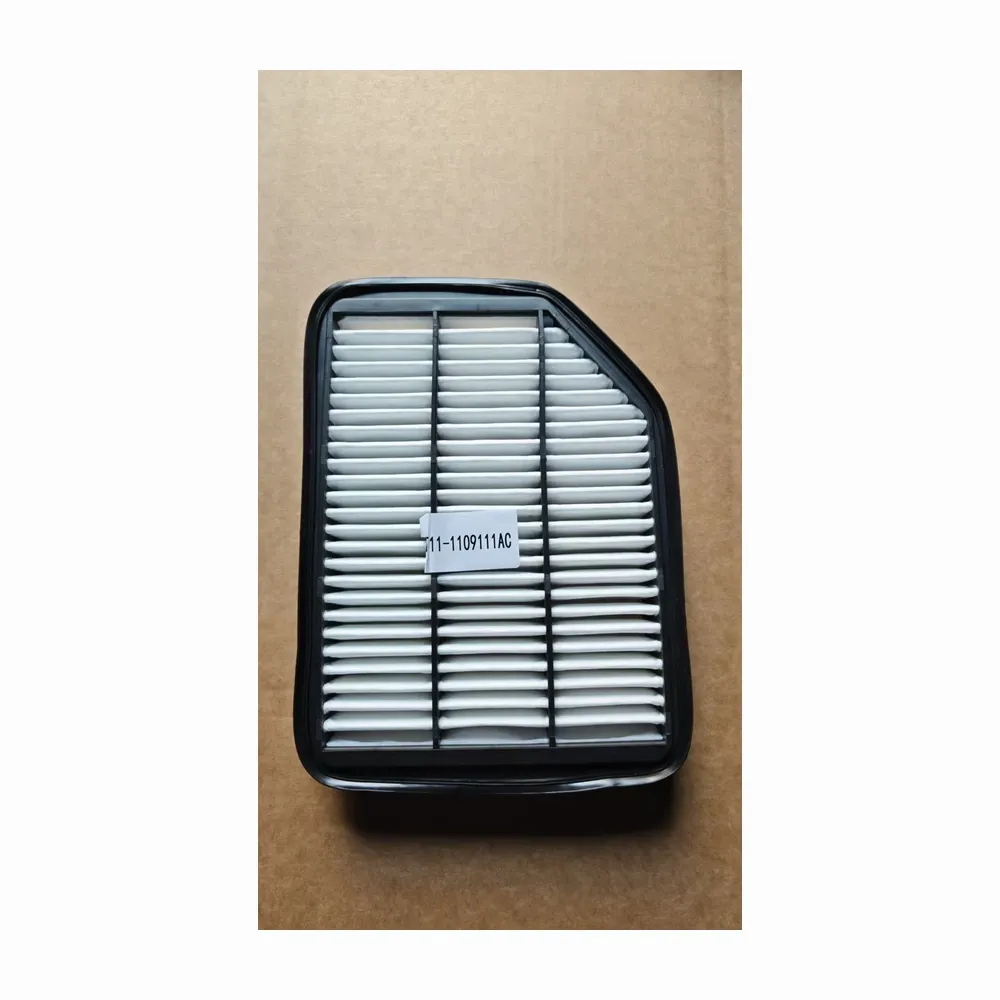
Panel air filters are light for their size and their frames are thin enough to distort. A carton that has borne too much weight above it, or that has been stored at the bottom of a stack for months, may contain elements whose frames no longer hold their shape. A distorted frame does not seal properly, and the filter can look acceptable while letting air bypass the media. Store flat and within the stacking limit the carton was designed for.
Dust and Contamination in the Warehouse
A filter is a cleanliness product; storing it in an environment with airborne grit, paint mist or metal dust works against its purpose. Once a carton is opened, a filter left uncovered picks up exactly the contamination it is meant to capture. This matters most in high-dust markets, where the warehouse itself can be a dusty environment.
Fitting: Where Filters Are Actually Compromised
Sealing Face Not Cleaned
The gasket can only seal against a clean surface. Fitting a new filter onto an airbox flange that still carries grit, old gasket residue or a damaged sealing face leaves a path for unfiltered air. The filter is new, the engine still ingests dust, and nobody can explain why. Cleaning the sealing face before fitting is one step that prevents a whole class of avoidable complaints.
Over-Tightening and Distortion
Oil filters and housings have a specified tightening procedure for a reason. Over-tightening deforms the sealing ring or the housing, and under-tightening lets the seal weep. Both produce the kind of complaint that looks like a filter defect when it is a fitting error. The same applies to panel filters forced into a housing they do not quite match: force distorts the frame, and the seal fails.
Wrong Filter for the Housing
A filter that is close in size but not the correct part can be persuaded into a housing and will look fitted. If the frame or gasket does not seat exactly, air bypasses the media. This is why confirming by OEM part number, rather than by appearance, matters at the point of fitting as much as at the point of ordering.
Why This Matters to an Importer
Complaints about filters are rarely about the filter alone. They cluster around storage and fitting, both of which happen after the goods have changed hands. An importer who gives buyers simple handling guidance, such as keeping stock dry, respecting stack limits and cleaning the sealing face before fitting, reduces returns without changing a single product specification. It also separates the importers who understand the product from those who only move boxes.
Where Feoroad Fits
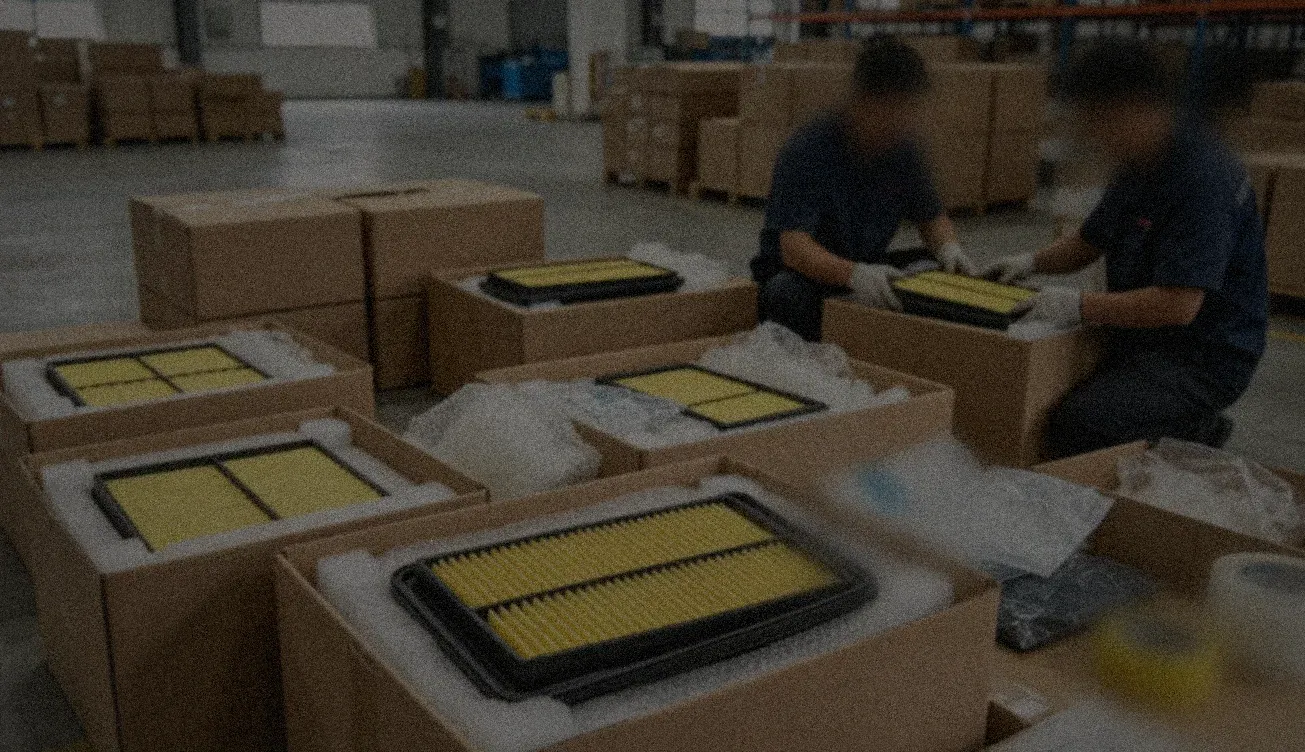
We manufacture filters covering the air, oil and cabin lines in our own factory, alongside our brake pad and shoe range, with a minimum order of 50-100 pcs and full private label support including custom packaging. Because the cartons are packed under our own control, we can tell you the stacking and storage guidance that applies to the specific pack you receive. Send us your OEM part numbers, target market and the conditions the vehicles work in, and we will confirm fitment and come back with a quotation.