Filters & Filtration
How to Ask a Filter Supplier for Product Data: A Sample-Sheet Checklist
A checklist of the product data to request from a filter supplier before comparing prices: efficiency, airflow, dust-holding capacity, media construction, sealing, and test standards.
A sample data sheet is the closest thing to a product test before you commit to a bulk filter order. This checklist tells you which numbers to ask for, how to read them, and which test methods make them comparable across suppliers.
Start with Basic Identification
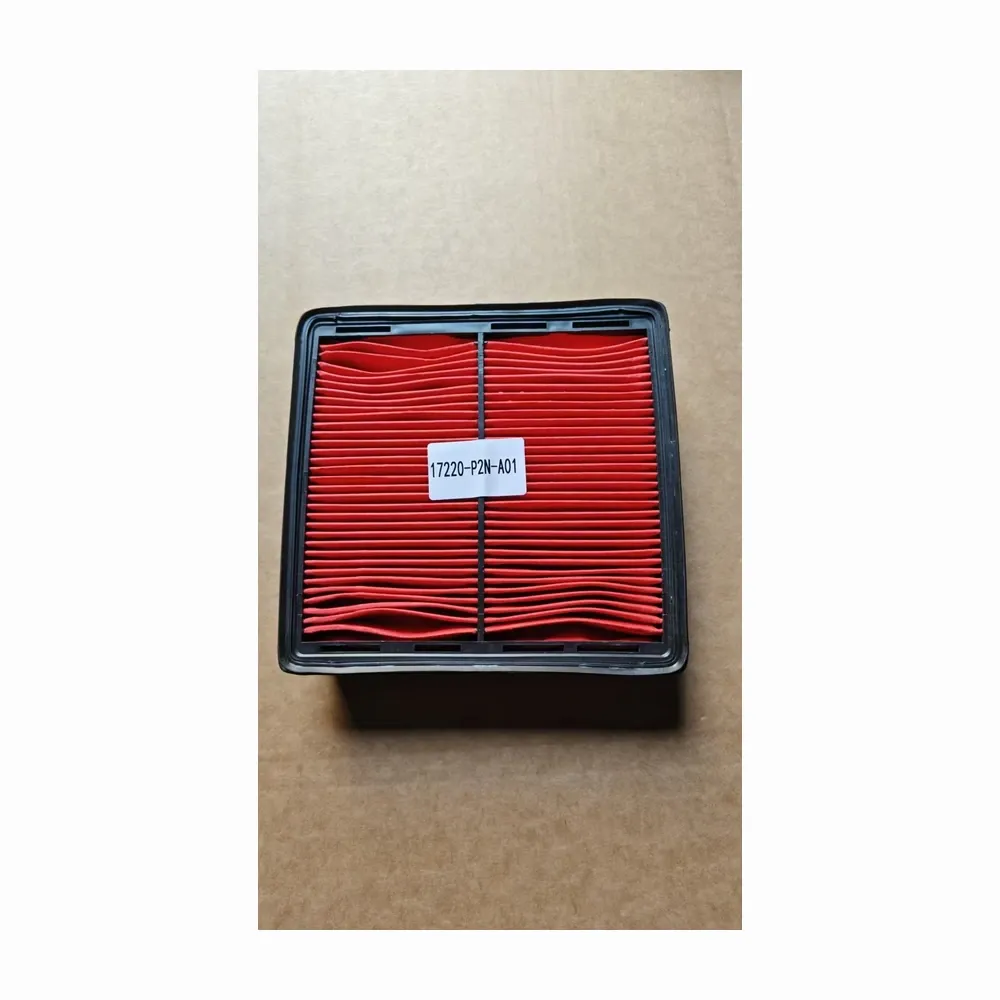
Before any performance number, ask for the basic identifiers: the product part number, the OEM or cross-reference numbers it covers, dimensions in millimetres, and the weight of a single unit. These fields confirm you are comparing the same physical product. A supplier that can list the exact fitment coverage on the sheet is doing the same filtering work you would do before ordering.
If the sheet has no part numbers at all, ask for them in writing. Part numbers are the anchor that ties the data sheet to the product you will actually receive.
The Core Performance Numbers
For an engine or cabin air filter, the three numbers that matter most are filtration efficiency, airflow capacity and restriction, and dust-holding capacity.
Filtration efficiency tells you how much of the incoming contamination the media removes. It is usually expressed as a percentage at a given particle size, and the particle size matters as much as the percentage. A filter efficient at large particles but weak at small ones behaves differently in the field.
Airflow capacity and pressure drop tell you how freely the filter lets air pass and how much resistance it adds as it loads. Low restriction is generally good, but only when it does not come at the cost of efficiency. Ask for both numbers together, because neither means much alone.
Dust-holding capacity (DHC) is the amount of contaminant the filter can hold before restriction rises to a service limit. It is a measure of service life, not just performance. A higher DHC usually means longer intervals between changes for the same operating conditions.
Media and Construction Details
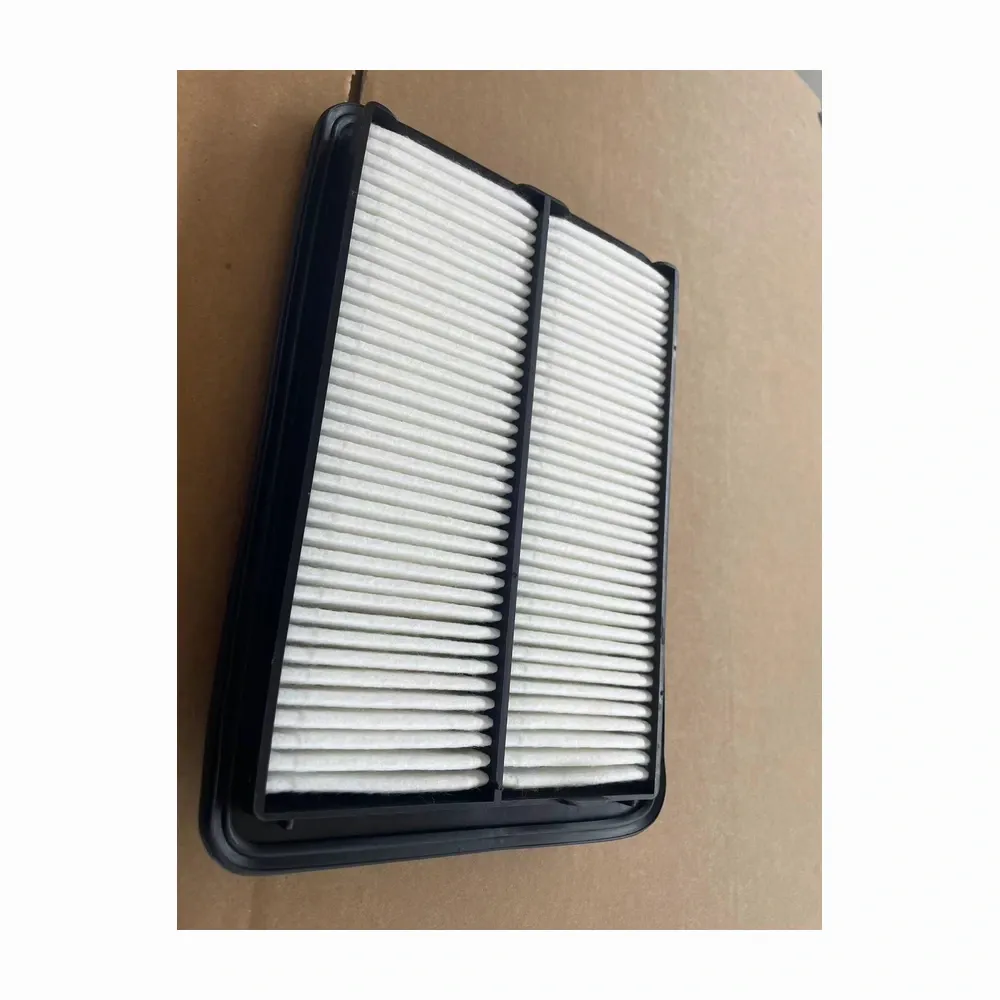
Ask what the media is made of, its thickness, and how it is pleated. The media grade and the number of pleats per unit of width determine how much surface area fits inside the frame. A bigger effective surface area generally supports lower restriction at a given efficiency.
For cabin filters, also ask about the layer structure and any treatment on the media. Activated carbon layers, for example, reduce odours in addition to filtering particles. The sheet should say what each layer does.
Seals, Gaskets and Frame
The sealing edge is the part that actually prevents air from bypassing the filter. Ask what material the gasket or seal is made of and whether it is supplied as a separate component or moulded into the frame. A bypass leak makes the efficiency number on the sheet irrelevant, because unfiltered air is entering the system anyway.
For panel filters, ask about frame rigidity and the materials used. A soft or warped frame can distort under clamping pressure and let unfiltered air through. The construction details on the sheet should match the physical product you receive.
Test Standards Make the Numbers Comparable
Efficiency and capacity numbers are only useful if you know which test method produced them. Ask for the test standard by name. Common ones include ISO 5011 for air intake filters and ISO 19438 for particle filtration in cabin air. A number produced under one standard is not directly comparable with one produced under another.
If the supplier uses an internal test method, ask how it differs from the ISO standards. Internal methods are acceptable if they are documented, but you want to know the differences before you rely on the numbers.
What a Complete Sample Sheet Should Look Like
A useful sample sheet is one page, current, and signed off by the factory quality department. It lists the part number, dimensions, weight, media construction, sealing details, efficiency at a stated particle size, airflow and restriction, dust-holding capacity, the test standard used, and a date. If a sheet has gaps, ask for the missing values in writing rather than assuming them.
Keep the completed sheet with the order documentation for every product you stock. When you reorder, compare the new sheet with the old one. Any change in the media grade, construction, or performance numbers is worth a question before accepting the batch.
Data First, Then Price
A price per unit is easy to compare. Product data is what tells you whether two filters are actually the same product. Asking for a complete sample sheet before comparing prices protects you from selecting on price alone and finding out later that efficiency, capacity, or sealing were different.
If you are sourcing filters for a distribution line, the data sheet is also the file your customers will ask about. A supplier that provides clean, complete, up-to-date sheets saves you work on every product you add to your catalogue.