Filters & Filtration
Reading a Panel Air Filter Specification: Pleats, Gasket and Frame
Two panel air filters can look alike and behave differently. What pleat count, frame strength and the sealing-face gasket actually mean, and what to check on a sample.
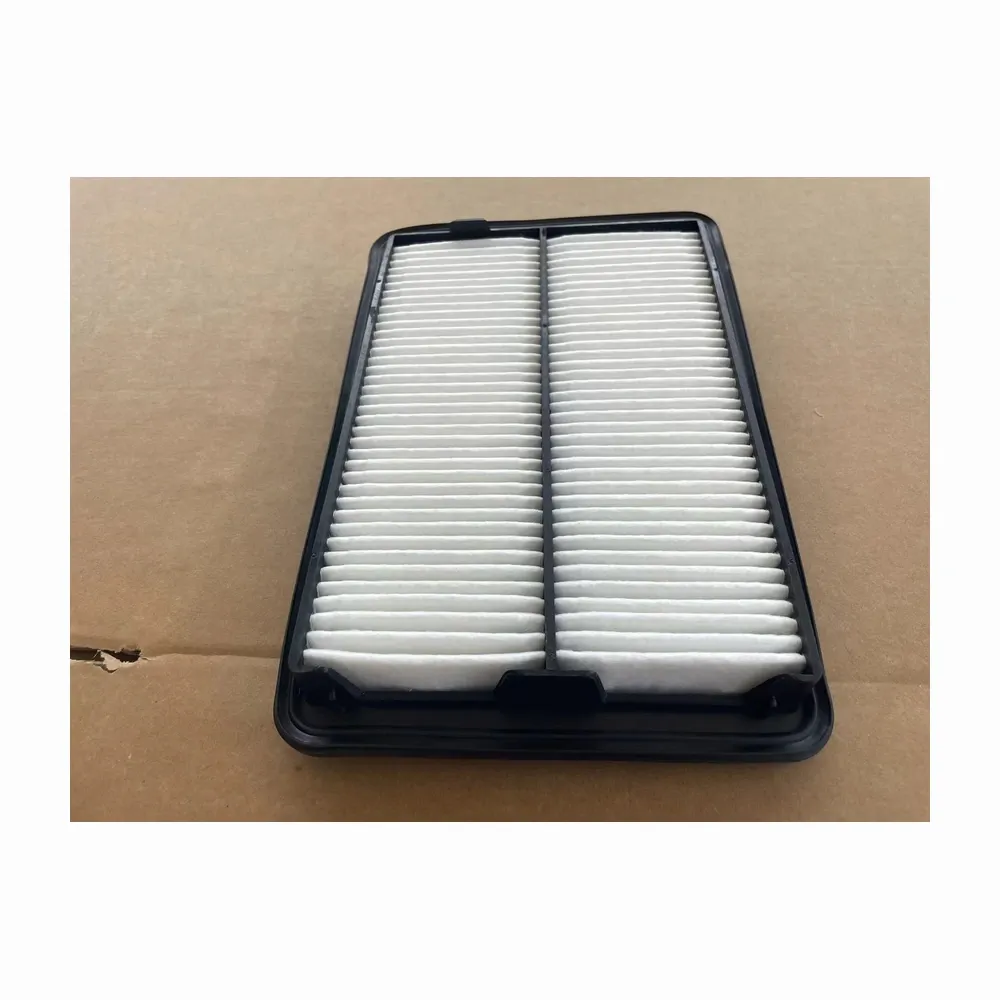
A panel air filter looks like a simple part: pleated paper in a frame. Two filters that look alike in a photo can still behave very differently in the airbox, and the difference is captured in the specification rather than the picture. This is what the items on a panel air filter specification actually mean, and which ones are worth confirming before you order.
The Dimensions That Must Match
Fitment comes first, because nothing else matters if the filter will not seat. Three measurements have to match the original unit: the outer length and width of the frame, the overall height, and the position of any locating tabs or cut-outs on the frame edge. Those tabs are easy to overlook in a listing and are the reason two filters of nominally the same size are not interchangeable. Confirm them against the OEM part number rather than against a picture.
Pleat Count and Media Area
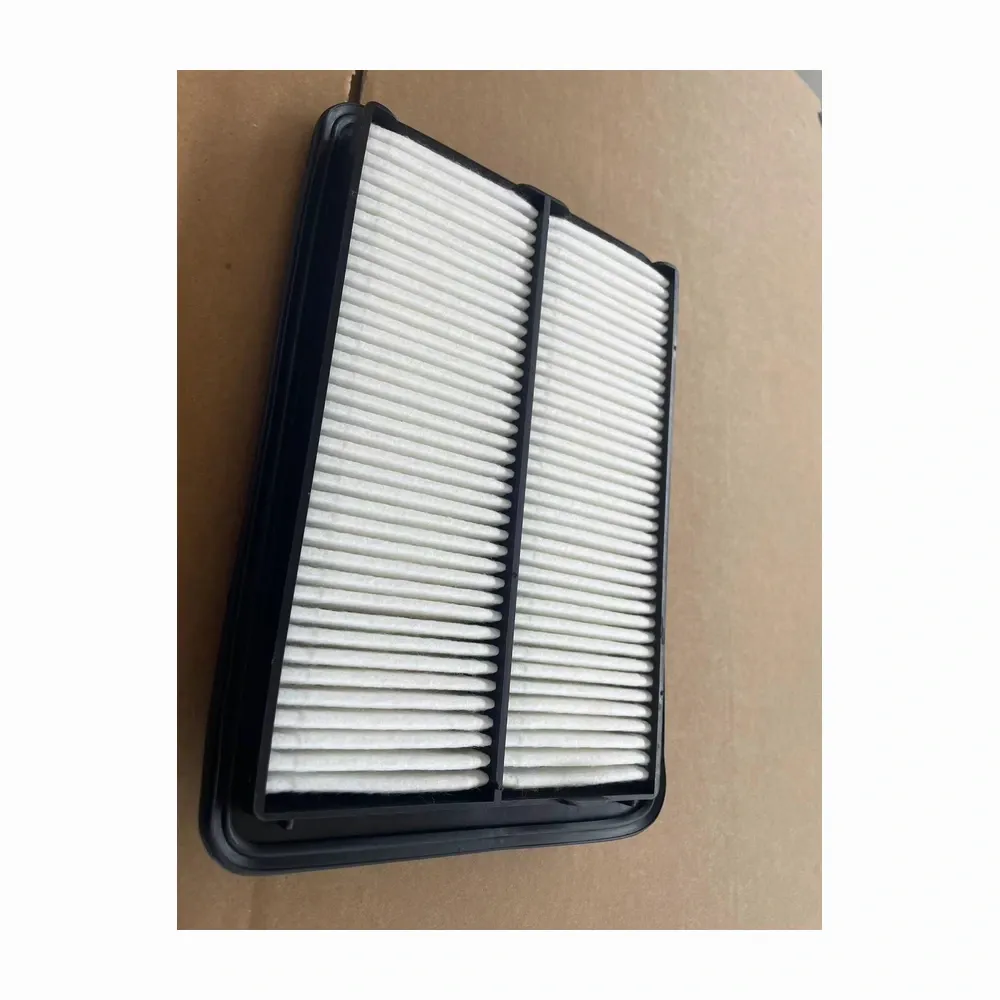
The number of pleats visible across the filter is not decoration; it is the surface area available for air to pass through. More pleats in the same frame means more media area, which lowers the restriction the filter places on intake airflow. Fewer pleats can still fit the housing perfectly while filtering less and adding restriction. This is why pleat count is a specification item worth asking about rather than assuming, especially on a filter intended for a dusty market.
The Frame and Its Strength
The frame holds the pleat pack in shape and seals against the airbox. A reinforced frame keeps the element from deforming under airflow or during servicing, when the filter is handled and refitted. A frame that twists out of shape lets air bypass the media at the edges, which defeats the filter even though the pleats look fine.
The Gasket on the Sealing Face
The gasket runs around the sealing face where the filter meets the airbox. Its job is to close the gap between the element and the housing. An ill-fitting or hardened gasket lets unfiltered air past the element entirely, which means dust reaches the engine even though the filter is clean. When you evaluate a sample, look at the gasket separately from the media: it is the part most easily compromised and least often checked.
Filter Media and Its Grade
Media is the material the pleats are made from, and its grade sets the balance between filtering fine particles and allowing air through. A tighter grade catches more but restricts more. Some applications call for a specific media treatment or a coloured media: for example, media with a red finish is used in filters intended for high-dust operating conditions. If a market needs a particular media grade, say so at the enquiry stage rather than discovering it after the run.
What the Specification Does Not Fix
Two things a specification cannot settle on paper. The first is service interval: how long a filter lasts depends on the dust load where the vehicle operates, not on the filter alone, so replacement intervals are set per market rather than stated as a fixed figure. The second is real-world restriction under load, which is best confirmed by fitting a sample in the actual housing rather than reading a data sheet. Both are reasons to test a sample before committing to a bulk order.
A Short Checklist for Your Enquiry
When you request a quotation for a panel air filter, include the OEM part number, the target market, and any media grade the application requires. On the sample that comes back, check the frame dimensions and tab positions against the original, count the pleats, inspect the gasket on the sealing face, and fit it in the housing. A specification that is confirmed on a sample is worth more than one that is only agreed on paper.
Where Feoroad Fits
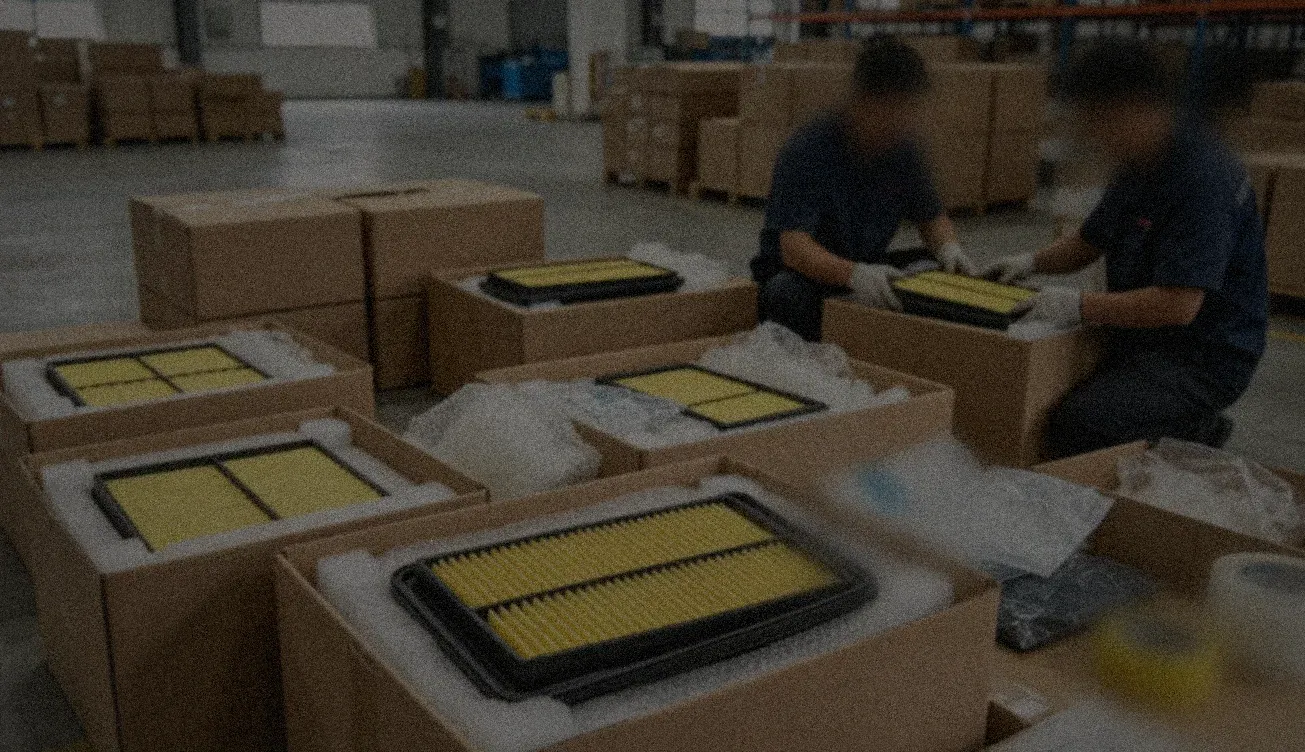
We manufacture panel air filters in our own factory, alongside our brake pad and shoe range and the other filter lines, with a minimum order of 50-100 pcs and full private label support including custom packaging. Because the elements are produced under our own control, we can confirm pleat count, frame dimensions and gasket specification directly on the sample we send you. Send us your OEM part numbers and target market, and we will confirm fitment and come back with a quotation.