Factory & Supply
Reading a Brake Pad Invoice and Packing List: What Should Match
The commercial invoice and the packing list decide how smoothly a brake pad shipment clears customs and receiving. Here is what each contains and what must agree before you pay the balance.

Two pieces of paper travel with every brake pad shipment: the commercial invoice and the packing list. Customs clears against them, your accountant books against them, and your warehouse receives against them. When the two documents disagree with each other, or with the goods, every one of those steps gets slower and more expensive.
Two Documents, Two Jobs
The commercial invoice is the transaction on paper: buyer and seller, a description of the goods, quantities, unit descriptions, terms of sale, and the total value declared for customs. The packing list is the shipment on paper: how the goods are physically packed, carton by carton, with quantities and weights per carton and in total.
Customs officers read the invoice to assess the shipment; your warehouse team reads the packing list to receive it. Different readers, different jobs, one shared requirement: both must describe the same shipment accurately.
Fields That Must Match Your Order
Start by checking each document against your purchase order, not against each other. Part numbers on the invoice should be exactly the numbers you ordered, character for character. Quantities per part number should match the PO. If you ordered private label packaging, the invoice should reference the agreed branding terms, not a generic description that contradicts what is in the cartons.
A reference to your PO number on both documents is worth insisting on. It ties the paperwork to your order file and saves an afternoon of archaeology when several shipments are in motion at once.
The Two Documents Must Agree with Each Other
Then check the invoice against the packing list. Total carton count is the obvious one: a packing list describing sixty cartons cannot accompany an invoice covering fifty. Quantities per part number should reconcile between the two, and the weights on the packing list should be plausible for the goods described.
Discrepancies here are the classic trigger for customs inspections and delayed clearances, not because a small error is suspicious in itself, but because inconsistencies force officers to look closer. Accurate paperwork is the fastest lane through the port.
The Goods Must Match the Paper
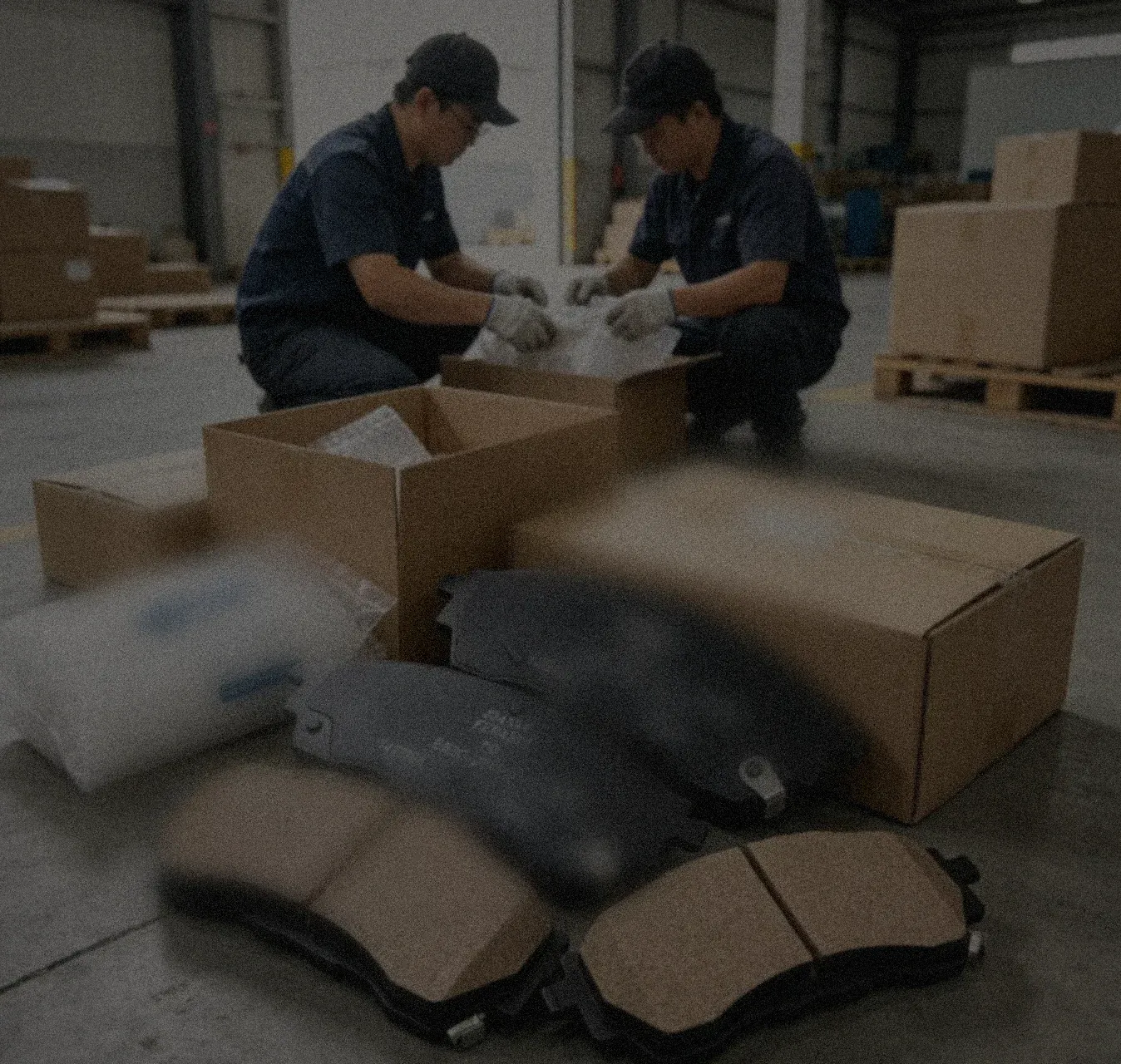
The third comparison happens at receiving: what is in the cartons against what the packing list says is in them. Brake pads help here, because every backing plate carries its edge code and the carton labels carry the part number, so a spot check links physical goods to paper in seconds. Filters carry part numbers on frames and boxes the same way.
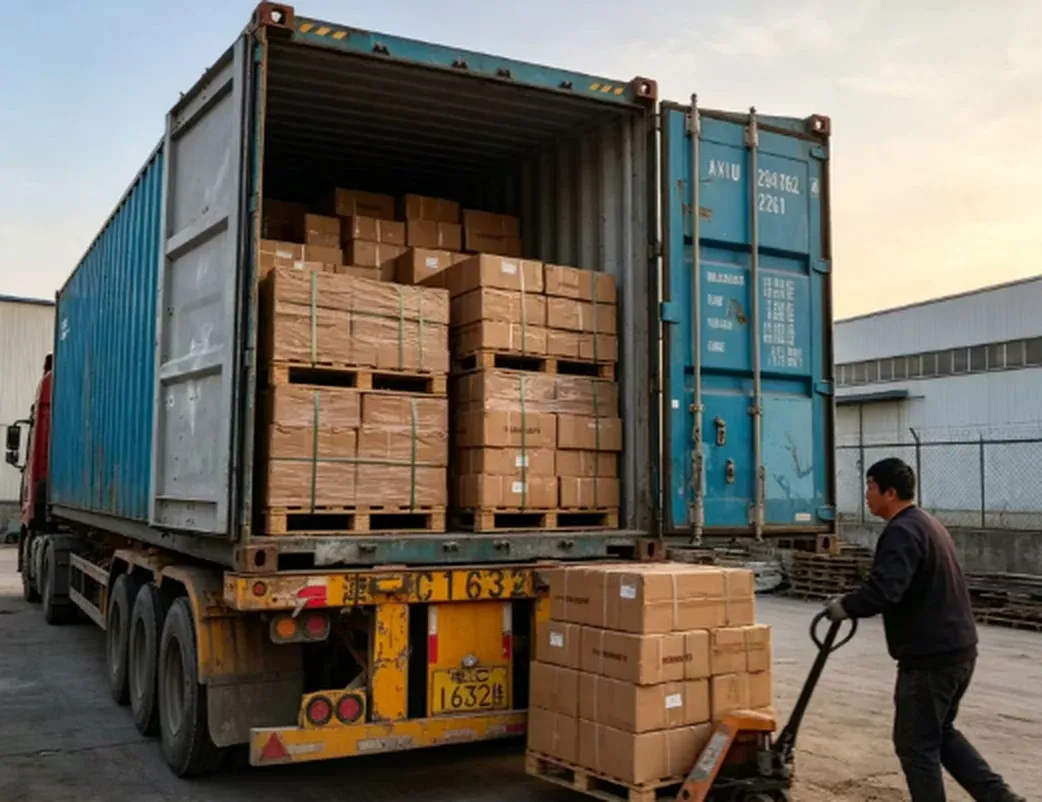
If your supplier sends photo records at packing and loading, as covered in an earlier checklist, keep them with the documents. Together they answer most questions a receiving team or a customs broker will ever ask.
Common Discrepancies and What They Cost
The usual suspects repeat across shipments: quantities that drifted between order and production, weights estimated instead of weighed, part numbers typed with a wrong digit, and descriptions on the invoice that do not match the labels on the cartons. Each one is small on paper and expensive in person: a customs query can hold a container while storage charges run.
None of these are difficult to prevent. They are difficult to fix after the doors have closed.
A Three-Step Check Before You Pay
Before releasing the balance payment, put the three documents side by side for ten minutes: purchase order against invoice, invoice against packing list, packing list against the packing photos. Part numbers, quantities, carton counts, and descriptions should tell one consistent story from your order to the sealed container. When they do, customs clears faster, receiving is routine, and the paperwork becomes what it should be, a record of a clean shipment rather than the start of a dispute.