Factory & Supply
Why Brake Pad and Filter Suppliers Set Minimum Order Quantities
Why suppliers set MOQs on brake pads and filters: batch consistency, setup per part number, and packaging runs. How importers can plan a first order around 50-100 sets.

Minimum order quantities frustrate many first-time importers. You have found a supplier, you want to test the market with a small batch, and the reply comes back: our minimum is 50 sets per part number. It can feel like an obstacle, but the MOQ is not an arbitrary gate. It exists because of how brake pads and filters are actually made.
What the Minimum Protects: Batch Consistency
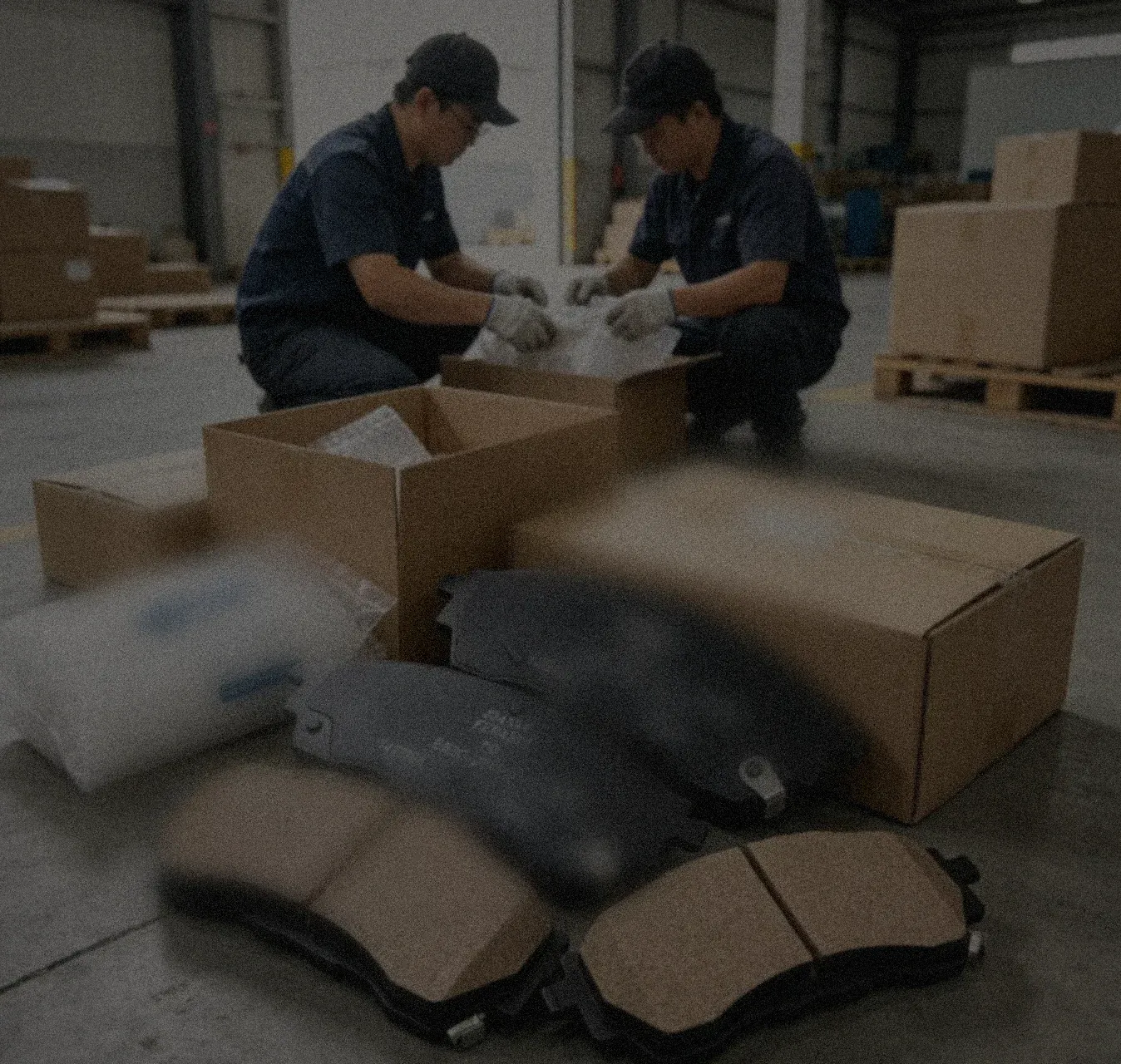
Brake pads are produced in batches. The friction material is blended to a recipe, pressed into backing plates, and cured together, so every pad in a batch shares the same material history. A very small run breaks that logic: the same mixing and curing routine produces a thinner slice of output, and any natural variation between batches becomes more visible to your customers.
A sensible minimum keeps every order inside the batch sizes where the process is stable. That is a quality argument, not a sales argument, and it is worth asking any supplier to explain where their own minimum comes from.
Setup Work Hides Behind Every Part Number
Each part number carries setup work before the first good piece is produced: the production line is configured for the backing plate shape, the friction recipe is prepared to that reference, and inspections are set against the specification. On top of production, packaging has its own setup, especially for private label orders where carton printing runs per artwork.
Spread across a hundred sets, that preparation is invisible in the unit price. Spread across five sets, it either disappears, which means corners get cut, or it makes the unit price unworkable. The MOQ keeps the arithmetic honest on both sides.
How Minimums Are Usually Structured
Most suppliers set the minimum per part number rather than per order. Ours, for example, starts at 50 to 100 sets per number depending on the product. That structure matters for you as a buyer, because it means one order can combine many part numbers, each at its own minimum, into a single container.
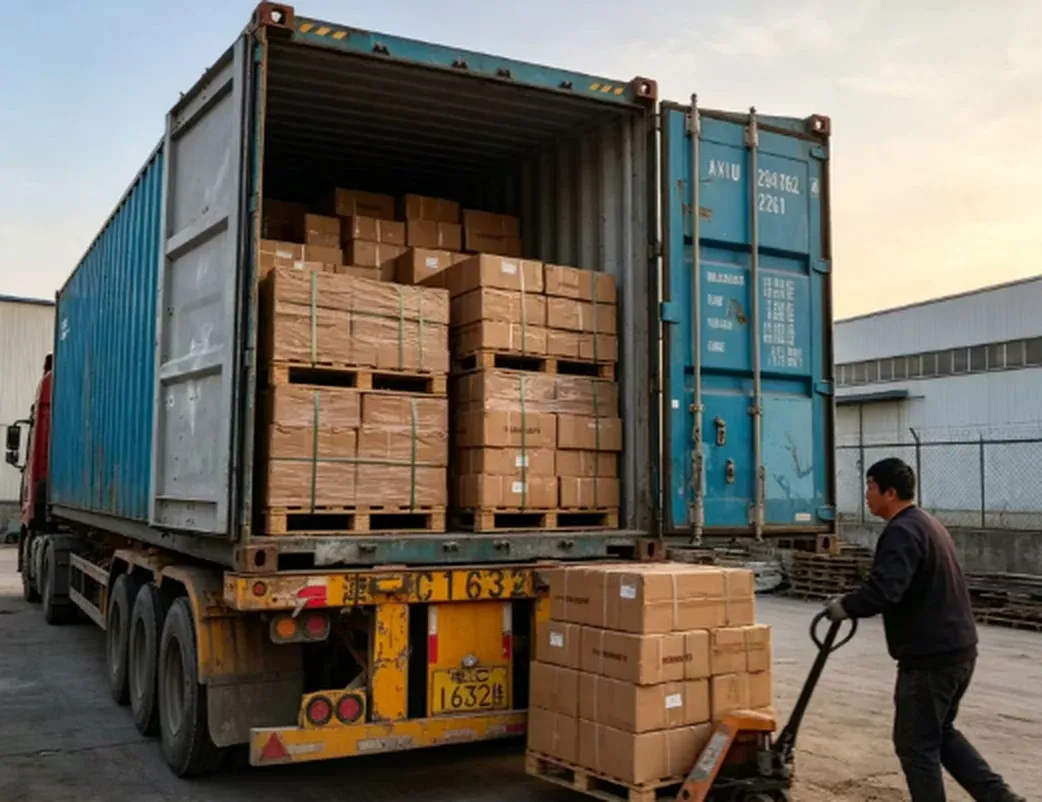
This is why mixed containers are the standard answer for a first order: a range of references, each inside its own minimum, sharing one shipment. The MOQ limits the width of your first range, not the size of your ambition.
Planning a First Order Around the Minimum
The practical approach for a new market: pick a short list of part numbers matched to the local vehicle park, order each at the minimum, and let the market tell you which numbers earn a deeper second order. Depth follows demand data you generate yourself; it does not need to be guessed on day one.
Buyers who understand this treat the MOQ as a planning unit rather than a barrier. Fifty sets of the right reference is enough to enter a market, equip your first workshop customers, and learn what reorder patterns look like.
When a Smaller Quantity Makes Sense
There are legitimate moments for quantities below the commercial minimum. Sample orders to check quality before committing are the obvious one; many suppliers arrange them differently from production orders. Discussing samples openly, and using them to approve the product before the first real order, is exactly what the sample stage is for.
What does not work is asking a production line to run commercial quantities that undercut its own quality logic. A supplier who agrees to everything small may simply be skipping the discipline you are paying for.
Questions to Ask Before You Order
Three questions make MOQ discussions simple. Is the minimum per part number or per order? What exactly counts as a set for each product? And can several numbers be combined in one container, each at its own minimum? Clear answers to those three tell you everything you need to plan a first order that fits both the supplier's process and your budget.