Factory & Supply
Brake Pad Packaging for Export: What to Specify Before Production
Packaging is part of the specification for export brake pads. What to agree on boxes, inner protection, markings, palletizing, and photo records before production starts.
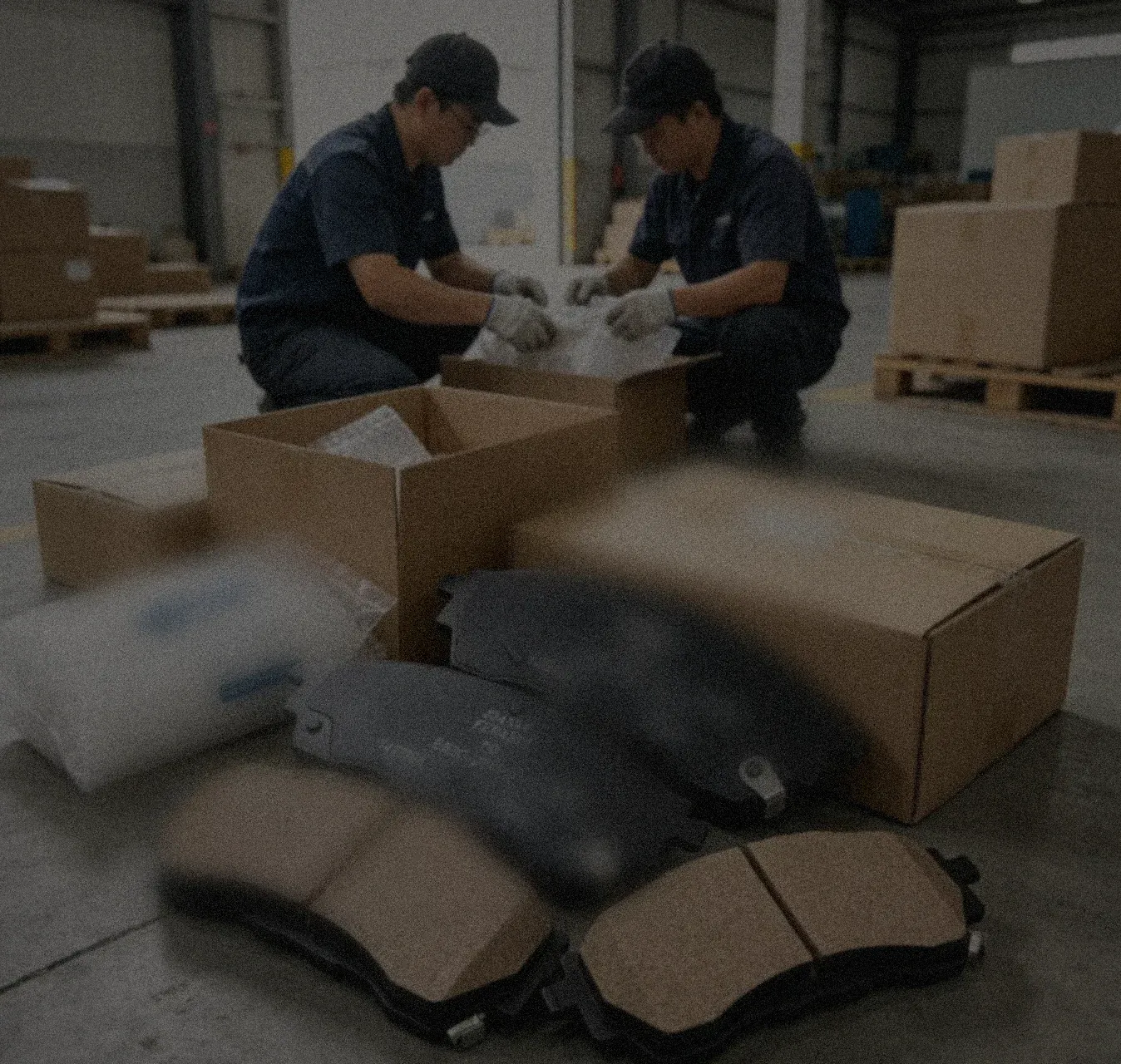
For brake pads, packaging is not an afterthought that happens at the end of the line. It protects the product through a long sea transit, carries the markings your market checks, and is often the first thing your customer sees. Agreeing on it before production starts is far cheaper than fixing it after loading.
Packaging Is Part of the Specification
Two factories can make similar pads and ship very different results, purely because of packaging decisions: box strength, inner protection, and how pallets are built. When packaging is specified in writing, the factory can plan materials ahead, and the buyer knows exactly what to expect at the port of arrival.
For private label orders, packaging matters twice: the pads carry your brand, and so does every box. A weak carton or a smeared label reflects on your company, not on the manufacturer. This is why packaging should be quoted and confirmed together with the product, not added afterwards.
What to Agree Before Production Starts
Start with the corrugated box: wall strength, dimensions, and how many sets go into each carton. Then the inner protection. Brake pads are heavy metal parts, and during transit they shift, so each set is usually wrapped in bubble wrap or foam before it goes into the carton. A simple photo of a packed carton, approved in advance, prevents most disputes.
Also agree on the master carton labels: part number, quantity, batch or production date, and any handling marks your market expects. If your customer reads labels in a language other than English, say so at this stage, because label artwork needs extra printing preparation.
Markings: On the Product and on the Box
Brake pad markings are checked at two levels. On the product, backing plates carry edge codes pressed into the steel; ours carry them on every pad, and buyers use them to trace friction material through distribution. On the packaging, cartons carry the part numbers and quantities your warehouse needs for receiving checks.
Keep third-party marks off your packaging unless you own the rights. Neutral boxes with your own artwork, or plain cartons with simple black printing, are both normal for export. What matters is that every carton is identifiable at receiving without opening it.
Pallets, Shrink Wrap and Loading
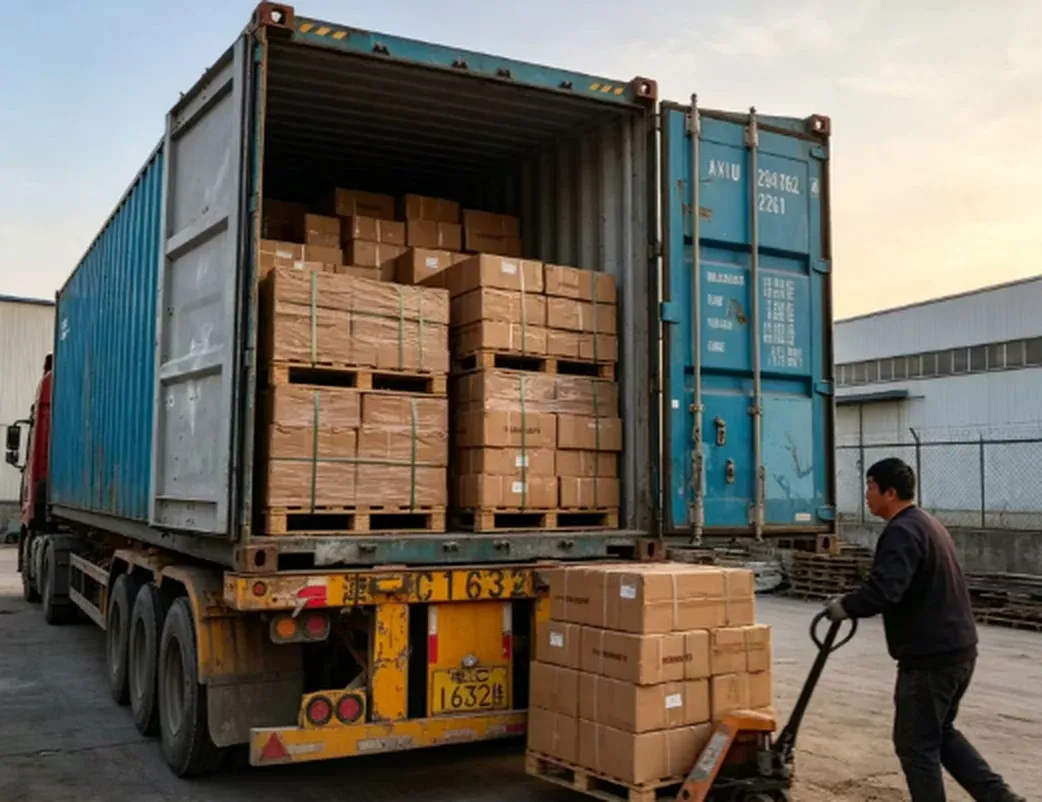
Export brake pads are heavy, and cartons stacked directly on the container floor can crush in the lower rows. Pallets spread the load and make warehouse handling faster at both ends. Standard practice is to stack cartons squarely on the pallet, wrap the load in stretch film, and keep the weight even so pallets do not tilt in transit.
Loading is worth a photo record as well: pictures of pallets before wrapping and of the container before the doors close give both sides a shared reference if anything is questioned on arrival. None of this requires special equipment, only agreement that it will be done.
Packaging Questions First-Time Buyers Ask
Can I have my own brand on the boxes? Yes, that is what private label production is for, and our minimum order quantities start at 50 to 100 sets per part number depending on the product. Neutral, unbranded packaging is also available for buyers who want to test a market before committing to printed cartons.
Can I see the packing before the container leaves? Ask for it: photos of packed cartons, pallet build, and the loaded container are a normal request, and a supplier who hesitates at this question is telling you something. Packaging you have approved in advance is packaging you do not have to argue about later.
A Short Packaging Checklist
Before confirming an order, put these in writing: carton spec and sets per carton; inner protection material; carton label content and language; pallet size and stretch wrap; photo records at packing and loading. Five lines of text prevents most of the packaging problems importers meet.
Packaging will never be the reason a buyer chooses a brake pad supplier, but it is regularly the reason a shipment disappoints. Specifying it early is one of the cheapest forms of insurance in the trade.