Factory & Supply
Pre-Loading Inspection for Brake Pads and Filters: A Practical Checklist
A pre-loading inspection checklist for brake pad and filter shipments: packed cartons, product sampling, pallets, container condition, and the photo evidence to request if you cannot attend.
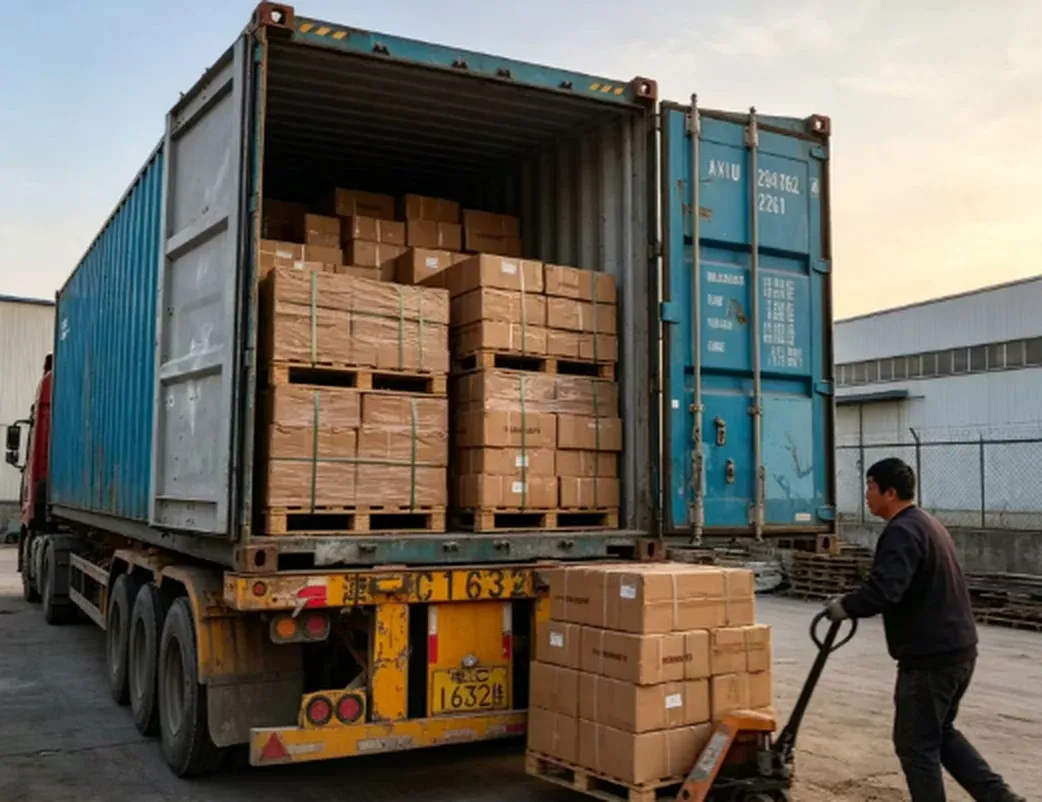
Once cartons are sealed and the container doors close, correcting anything becomes expensive. The loading moment is the last cheap checkpoint in an export order, which is why experienced importers treat the pre-loading inspection as a routine step rather than an act of distrust.
Why Inspect Before Loading
Problems caught at the factory are measured in minutes: a carton is repacked, a label is reprinted, a few boxes are swapped. The same problems caught at your warehouse are measured in claims, credit notes, and a customer waiting for stock. The economics alone justify the inspection.
An inspection also disciplines the whole chain. When a supplier knows the shipment will be checked against the order before loading, small errors tend to be found and fixed internally, and the paperwork tends to be accurate.
Start with the Packed Cartons
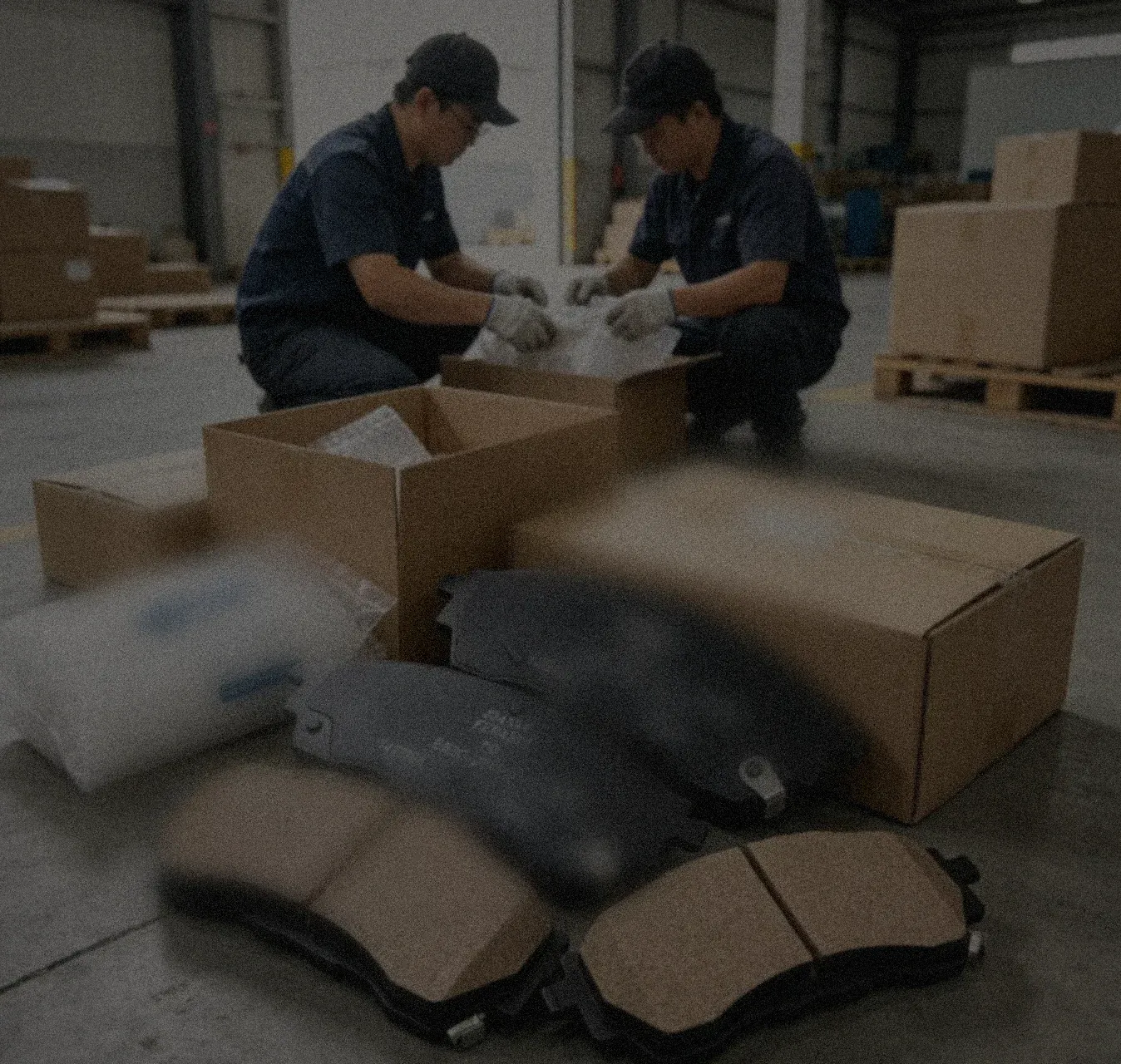
Open a few random cartons before they are sealed, or ask for sealed cartons to be selected at random. Compare the label against the packing list: part number, quantity per carton, and batch or date marks should all agree. Weigh one carton in your hand; a carton that feels light for its size deserves a count.
Look at the carton condition itself. Corners should be square, tape should be full-length, and there should be no signs of repacking. Inside, brake pad sets are usually wrapped individually so the friction surface and the backing plate do not rub against each other in transit; a carton with loose metal-on-metal parts will arrive looking used.
Sample the Product, Not Just the Box
Pull a set or two from the sample cartons and check them against the order. On brake pads, the edge codes pressed into the backing plate should match the part numbers you ordered, and the friction material should look consistent across the set. On filters, the frame should be undamaged, the gasket seated, and the pleats evenly spaced without crushed rows.
This is a sampling check, not a full quality audit; its purpose is to catch mix-ups, such as a similar part number packed in the wrong carton, which is among the most common complaints in this trade. If a mix-up is found in one carton, the whole batch on the pallet needs checking, not just the sampled box.
Pallets and the Container Itself
Before loading, look at the container as carefully as the goods. The floor should be dry and free of smells, the doors should close properly, and there should be no holes or damage that would let in water. A dirty or damp container can ruin a shipment of perfectly made parts, and filters in particular absorb odours.
On the pallets, cartons should sit squarely with no overhang, the stretch wrap should hold the load together, and taller pallets should not lean. Weight should be spread so the trailer sits level; a lopsided load shifts in transit and arrives as a mess of fallen stacks.
If You Cannot Attend, Ask for Evidence
Most buyers cannot fly in for every loading. The practical substitute is a fixed set of photo records: packed cartons before sealing, one opened carton with labels visible, the pallets after wrapping, the empty container interior, and the loaded container with the door number visible before the doors close.
These five photos answer most of the questions a destination dispute raises, and any supplier who can produce them routinely is telling you their shipments pass this checklist as a matter of course. Keep the records with the order file; they are worth more than any assurance in an email.
A Short Pre-Loading Checklist
Cartons: labels match the packing list, condition sound, inner protection present. Product: sample sets match the ordered part numbers, filters undamaged. Pallets: square, wrapped, no overhang. Container: dry, clean, doors sound. Evidence: the five photos, filed with the order. That list fits on one page and prevents most arrival surprises.