Factory & Supply
Planning a Mixed Container: Brake Pads and Filters Together
Pads are dense, filters are bulky, and mixing them can cut freight cost per unit. The questions to settle with your supplier before a mixed container is booked.
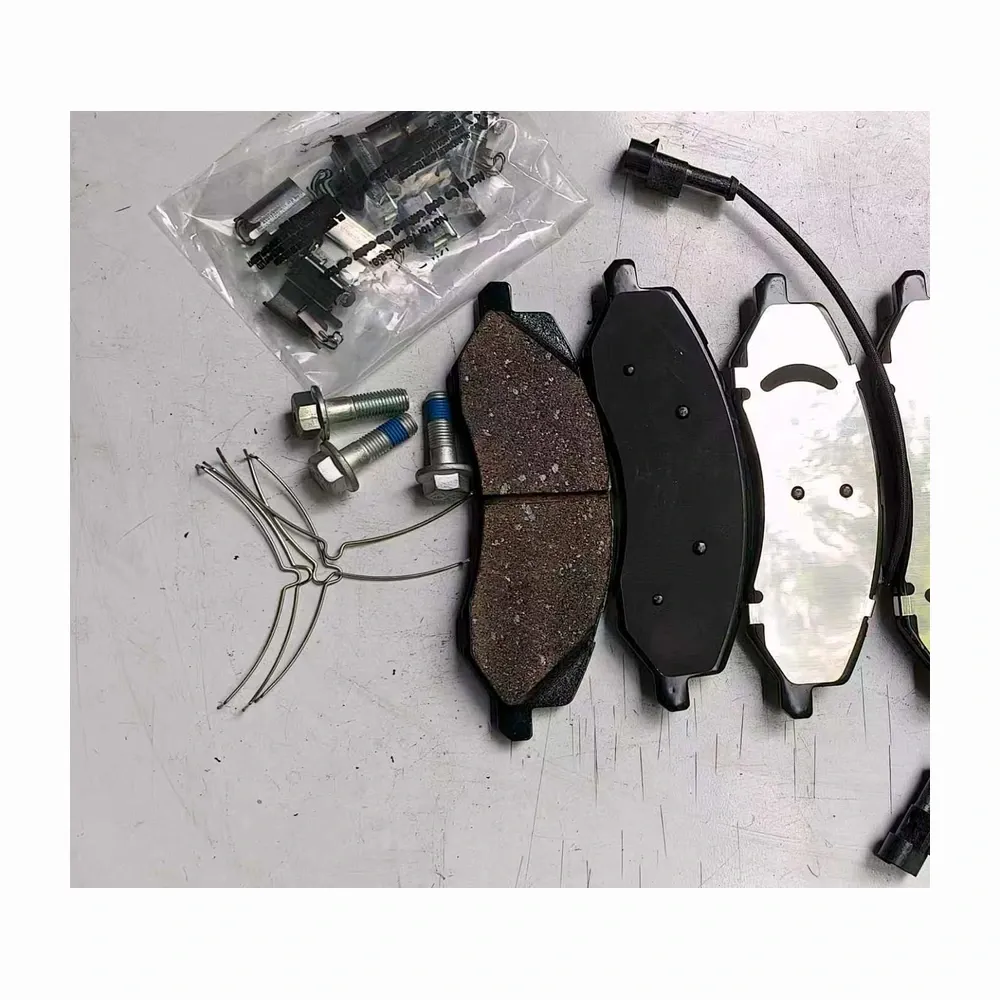
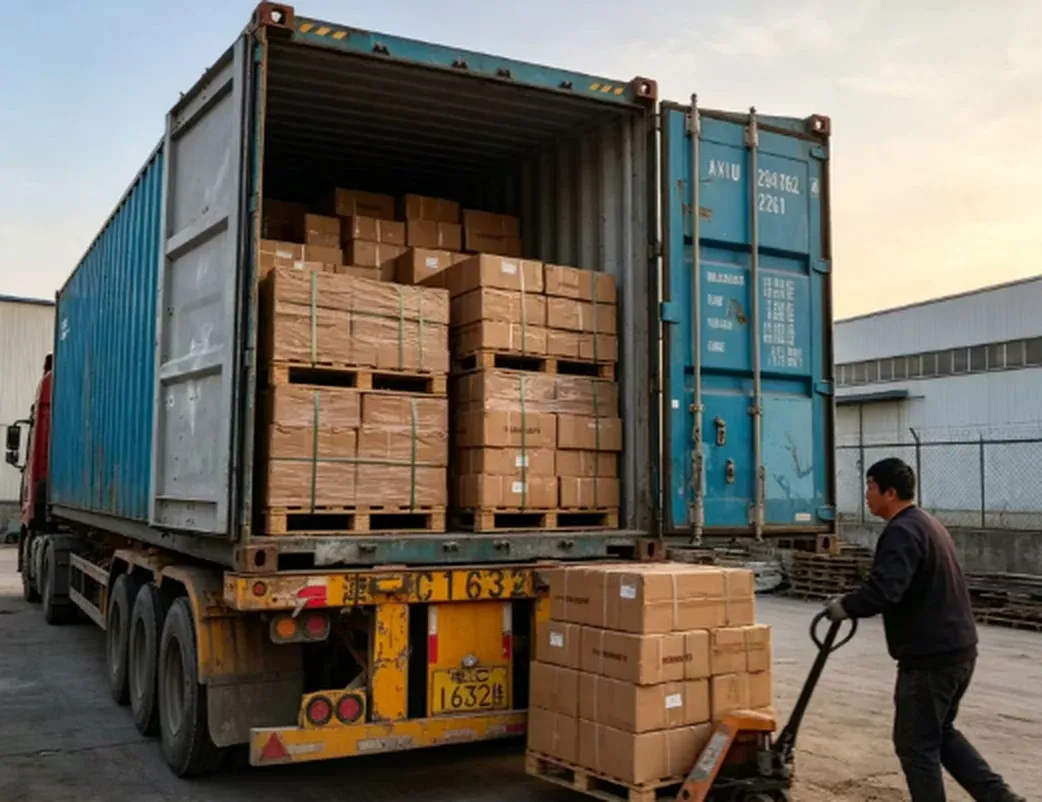
Brake pads are dense and heavy; filters are bulky and light. Shipping them in one container is a common way for importers to spread freight cost across two product lines, and it is also where orders get expensive: a container filled the wrong way wastes volume you have already paid for. The units, weights and capacities differ by product and by supplier, so the planning numbers have to come from your supplier's own data. What you control is the set of questions you ask before the container is loaded.
Why the Two Lines Complement Each Other
The practical advantage of mixing is complementary packing behaviour. Cartons of brake pads and shoes are relatively small, dense and stackable. Filter cartons, especially panel air filters, are lighter but occupy more volume. In a mixed load the dense line can help stabilise and fill around the bulky line rather than each paying for its own unused space. That is the theory; whether it holds for a specific order depends entirely on the actual carton dimensions and weights involved.
The Questions That Decide the Plan
Because the numbers are supplier-specific, the work is to ask for them in advance. These are the questions that determine whether a mixed load makes sense for your order:
Carton Dimensions and Weight
For every item in the load, ask for the packed carton dimensions and the gross weight, not just the net product weight. These two figures per item are what any load plan is built from, and they are the figures only the supplier can provide.
Loadability Into Your Container
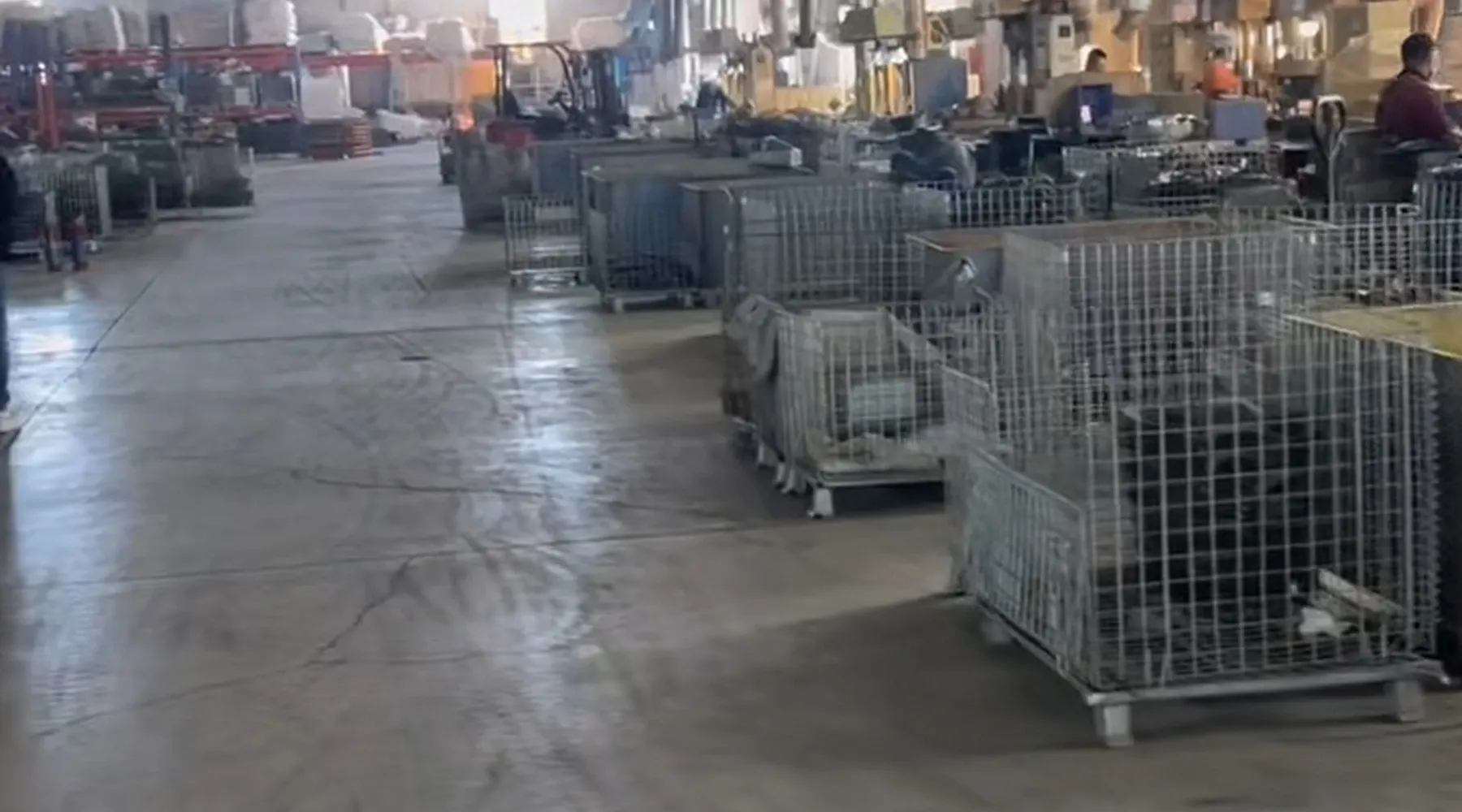
Ask your supplier how many cartons of each line they would load into the container size you are booking, and ask what that estimate is based on. A supplier who manufactures and packs in its own factory can answer from the cartons it actually produces; a trading company is passing the question upstream. The answer also tells you whether they have packed mixed loads before.
Stacking Limits and Orientation
Ask which cartons can be stacked and which cannot, and whether any line must stay upright. Filter elements can be crushed by weight above them; heavy brake pad cartons are the wrong thing to put on top. Agree the stacking rules before loading, not on the dock.
Gaps, Spare Space and Palletisation
Ask whether the load can be palletised or must be hand-stacked, and how any remaining gaps will be filled. Unfilled space is paid-for freight that carries nothing. If you are shipping both lines, ask whether spare hardware or small accessories are worth adding to fill the shortfall rather than leaving it empty.
Documents and Marking
Confirm how mixed cartons are marked and listed on the packing list so the container can be cleared and split at destination without opening everything. A load of mixed part numbers with vague carton marking creates work at the port.
What to Settle Before Booking
Before you book the container, you should hold, in writing: packed dimensions and gross weight per item; a load estimate for your container size and the basis for it; stacking and orientation rules; the palletisation decision; and the packing list format. With those in hand the load plan becomes a calculation rather than a hope, and any shortfall is known while there is still time to fill it.
Keeping Fitment Straight in a Mixed Load
Mixing lines multiplies part numbers, which is where fitment errors creep in. Keep the same discipline used for a single-line order: confirm every item against its OEM part number, and make the packing list carry those numbers per carton. On a mixed container a clear part-number list is the difference between a shipment and a sorting exercise.
Where Feoroad Fits
We manufacture both brake pads and shoes and the three filter lines in our own factory, with a minimum order of 50-100 pcs and full private label support. Because the cartons are produced and packed under our own control, we can give you the packed dimensions, weights and a load estimate for your container size directly. Send us your OEM part numbers, the lines you want to combine and your target market, and we will confirm fitment and come back with a quotation.